
Creating and managing civil engineering solutions in a way that works for people and society.
Is raising the dikes the only way to reduce flood risk, or are there smarter, cheaper solutions? How do you install a resilient electricity grid in a hurricane zone? Which factors do you have to keep in mind to ensure that new roads or structures will endure the effects of climate change? How do you secure and balance the many interests of the government, residents, companies, and the environment in such large projects? If these questions fascinate you, the Bachelor’s in Civil Engineering is the right choice for you.
In the Bachelor’s in Civil Engineering, you acquire both the technical and non-technical knowledge you need to take on complex civil engineering challenges. You learn everything a civil engineer needs to know in order to design, construct and manage large projects in construction & infrastructure, water management, and traffic & transport. You also become an expert in the many important organisational and non-technical issues involved in such projects, from legal and administrative aspects to communication, project and process management.

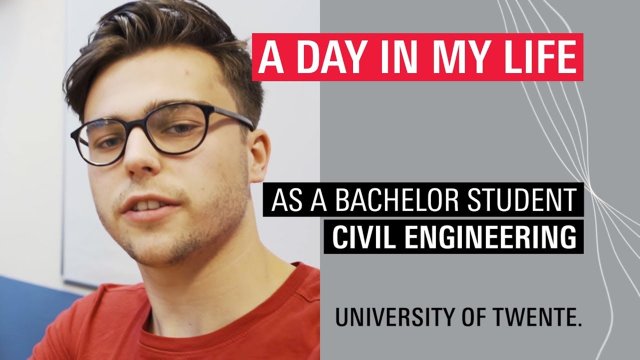
Why study Civil Engineering?
Future jobs
As a graduate of Civil Engineering, you will have plenty of interesting job opportunities - especially if you have followed up your Bachelor's with a Master's. To give you an idea, here are some job positions you may fill after graduation.
- Bridge Design Engineer
- Contract and Process Management Consultant
- Project Manager
- Adviser Environmental Management
- Transport Engineer
- Researcher
- Traffic Modeller
- Urban Water Management Consultant
Want to know more? Check out the detailed information about career prospects after Civil Engineering.