
To conduct good research, we need everyone who can advance our research or provide new insights. This can be done by sharing knowledge and experience, answering questions, trying out new techniques, or thinking along about what needs to be researched. Do you want to participate? Check below for the studies we are looking for participants for and sign up!
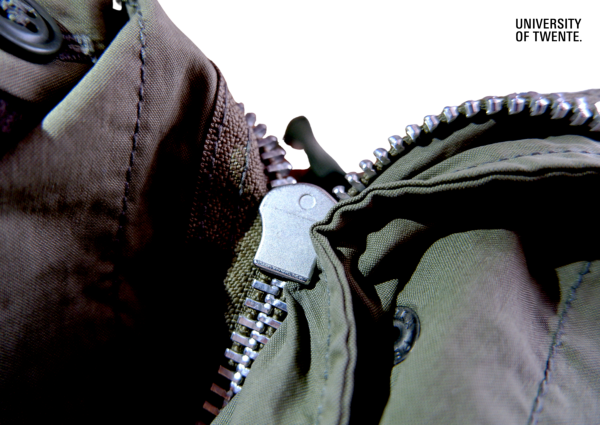
For my research, I am looking for people with a one-sided arm impairment who experience difficulties putting on or taking off a jacket. This may include impairments caused by stroke, nerve injury, or amputation. Through a short online questionnaire, we aim to better understand the challenges people experience in daily life. Your experiences will help us develop a new assistive device that can improve independence.
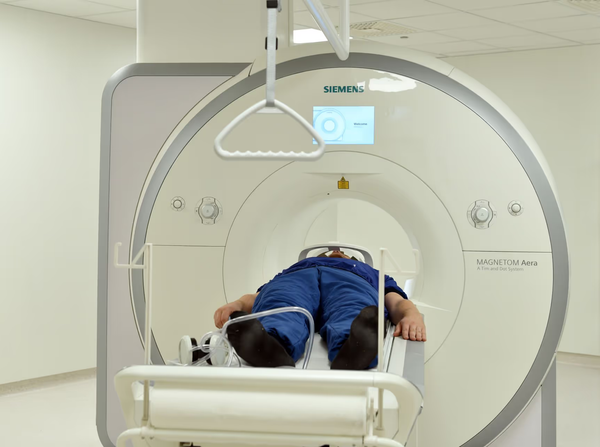
We are studying blood flow in the aorta of healthy individuals. For this, we are looking for volunteers without cardiovascular disease. During the study, we will make MRI scans of the aorta.

Many women experience problems with breastfeeding, but little is known about this. In this study, we examine the breast just before, during, and after pumping. For this research, we are looking for women who are breastfeeding to participate. We are also looking for women who are not pregnant or breastfeeding!
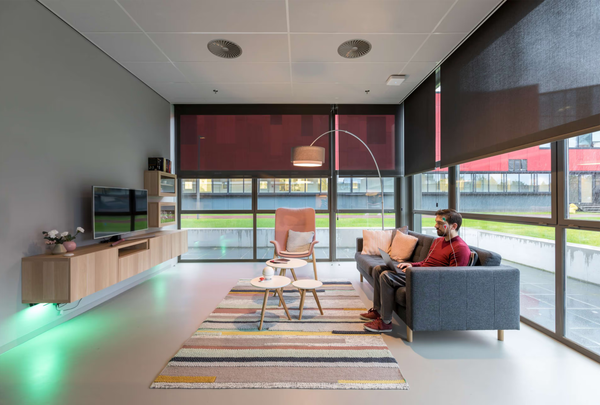
We are investigating whether sensors can detect and predict freezing of gait and balance problems in people with Parkinson's disease.
2025
Completed projects 2025
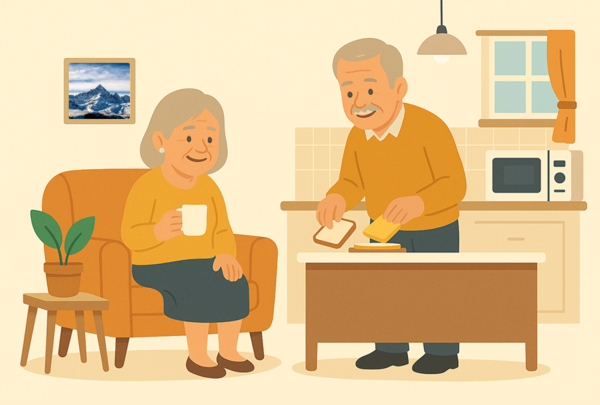
Staying healthy and independent matters to many older adults, and new technology can help make this possible. This study explores how people manage everyday activities and the smart ways they adapt when things change, by using wearable sensors to understand what someone can do physically and mentally in daily life.

We are looking for mental health professionals (GGZ-professionals) who want to collaborate with clients to improve their lifestyle. In this graduation project, we are developing an online toolkit to support you in creating practical plans and programmes together with clients. The toolkit is currently under development and testing, and your experience can help us make it as useful as possible.
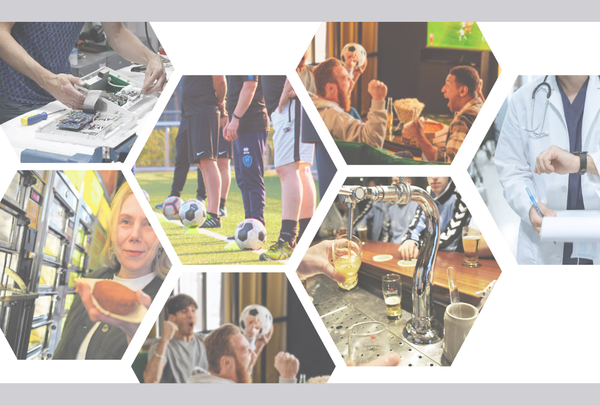
In this study, we explore how lifestyle programmes can better fit what men need and want. Many men don’t easily join activities about exercise, food, or relaxation. By talking with us or joining a workshop, you help us understand what really works. Together, we can make healthy living more fun, easier, and a better fit for more men.

In healthcare, we are looking for new ways to help people take control of their own health. But this often happens without involving those it’s meant for. In this study, we explore how care can better meet the needs of women, trans men, and non-binary people. By sharing your experiences, you help build healthcare that works better for everyone.
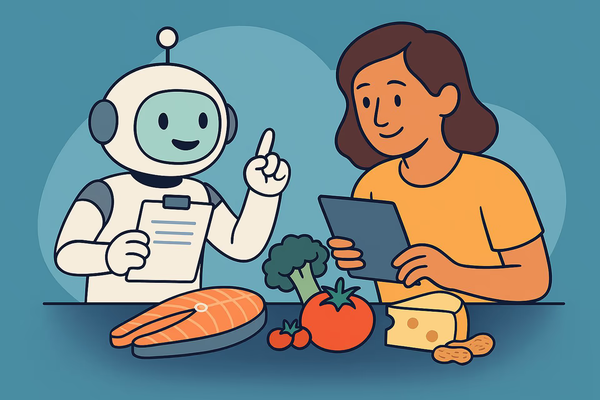
Help us test a friendly nutrition chatbot! We're looking for people aged 18+ to compare an AI chatbot with a traditional food questionnaire. Quick, easy, and fully online, your input helps us improve digital health tools.
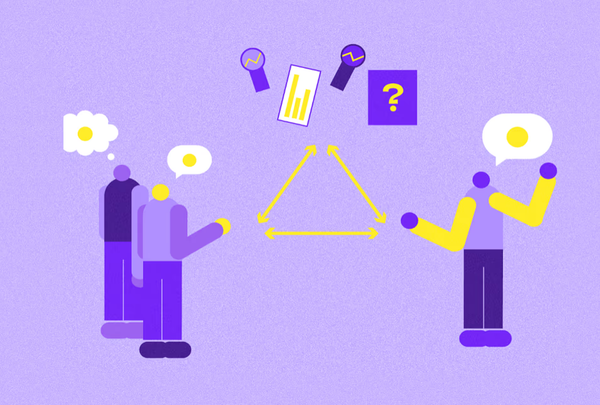
We are increasingly using technology to track data about our health. We also use it to set health goals. Did you know that your friends, family, and acquaintances play a major role in how you set and achieve these health goals? Share your ideas on how technology can evolve into a more social medium!
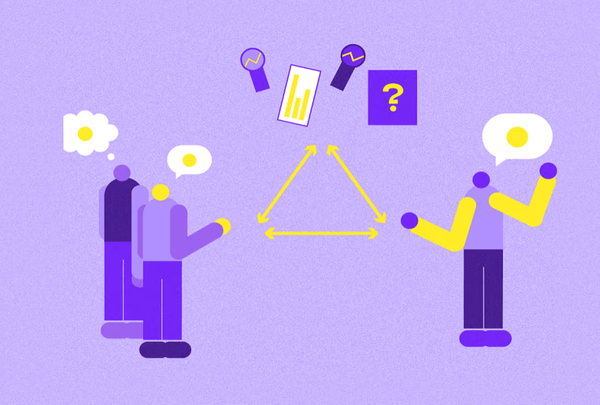
We are increasingly using technology to track data about our health. We also use it to set health goals. Did you know that your friends, family, and acquaintances play a major role in how you set and achieve these health goals? Share your ideas on how technology can evolve into a more social medium!

Parks: places where we relax, enjoy nature, or get some fresh air. But how do different people experience these parks? What makes you feel safe and at ease there? To explore this, we have developed a digital urban planning game. In this game, you can design your ideal park. What makes a park feel safe and pleasant to you? Join in and design your perfect park.

In this project, we are investigating the influence of search engines on division (polarization) in our society. Will you let your computer or laptop join the search too? Anyone in the Netherlands who is 18 years or older can participate.

Climate change is in the news every day. However, little is known about how people react to it. Some individuals compulsively follow climate news online, a behavior known as 'doomscrolling.'
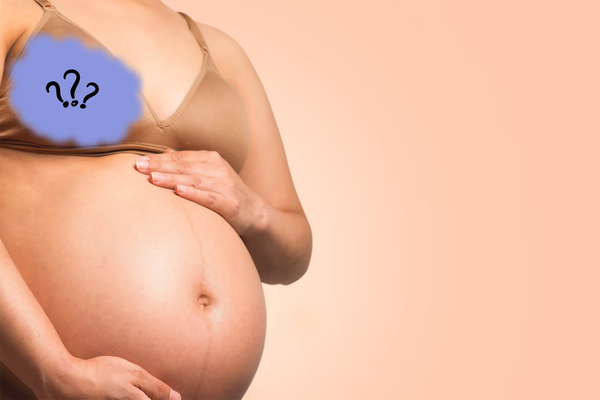
During and after pregnancy, many changes occur in the breast, yet little is known about this. In this study, we look at the development of the breast during this period. Are you planning on becoming pregnant soon, or are you pregnant now? Then you can participate!
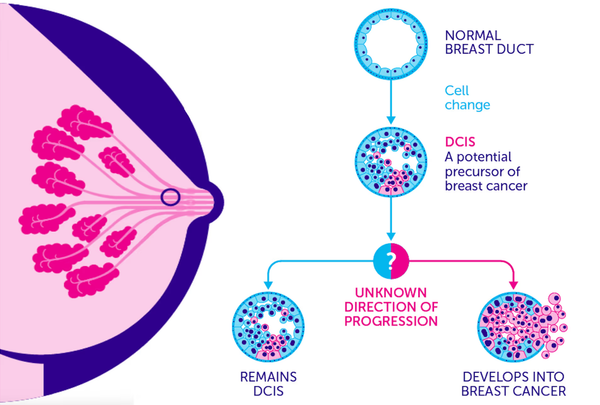
Women with ductal carcinoma in situ (DCIS), a precancerous condition, can sometimes receive excessive treatment. To prevent this, we aim to conduct research and develop a tailored treatment approach. We are looking for people who want to contribute ideas and seek improved treatments for this condition.
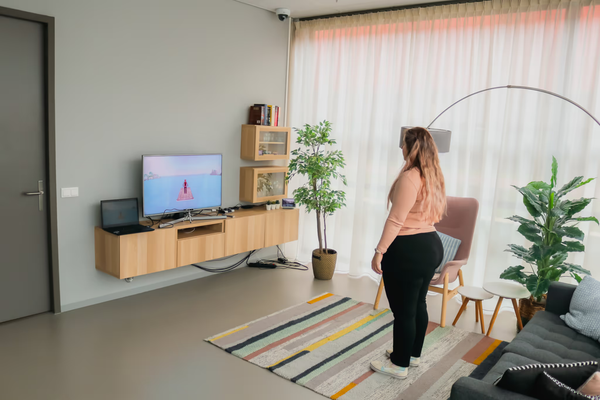
Om stabiel te lopen en niet te vallen is een goede balans erg belangrijk. Vooral voor mensen die een beroerte hebben gehad. Die ene stap in het herstelproces kan het verschil maken. Helaas zijn er nog niet veel mogelijkheden om thuis je balans te trainen. Daarom is de HEROES game ontworpen. Dit videospel kan nu getest worden!
Join Our Eye-Tracking Research on Dutch Reading Patterns!
Are you a non-native Dutch speaker? Help us understand how reading behaviour differs between native and non-native Dutch readers!
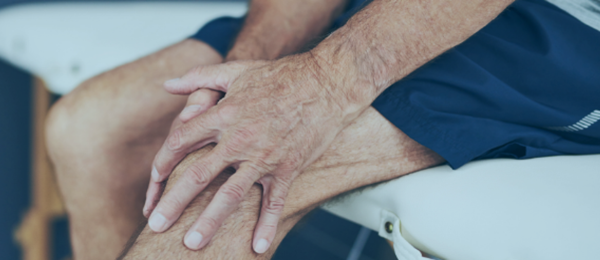
Three-quarters of a million people in the Netherlands live with knee osteoarthritis. These individuals experience wear and tear in the knee joint, which causes pain and stiffness. Managing the symptoms can be challenging because they can vary from day to day. That’s why we aim to give them more control over their condition.

Self-criticism, shame, self-compassion—these are examples of traits that can make life significantly more challenging or easier. How do they relate to each other, and what can we learn from them for the treatment of mental health issues?
Anyone over 18 who is fluent in Dutch can participate by completing our questionnaire on personality traits.
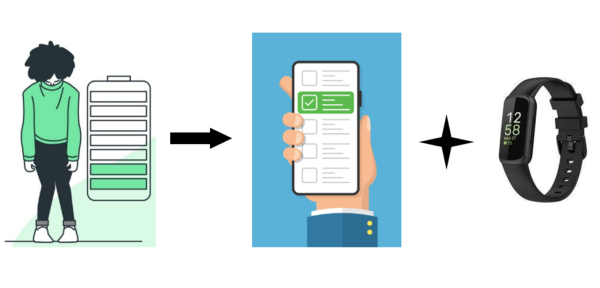
80% of people with cancer experience fatigue. 1 in 5 are still extremely fatigued even 10 years after diagnosis. We want to conduct more research on this. The first step is to be able to accurately measure fatigue. Therefore, we are testing a questionnaire with women who have recovered from breast cancer and are experiencing fatigue.
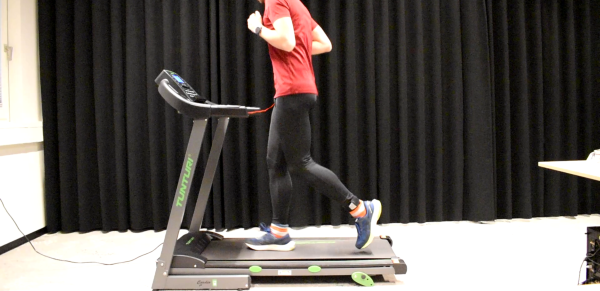
Imagine drones helping you improve your running performance! This study explores how drone-provided audio feedback can influence your running technique, focusing on stride length. We’ve designed an innovative feedback system that uses drone noise to guide and improve running behaviour.
2024
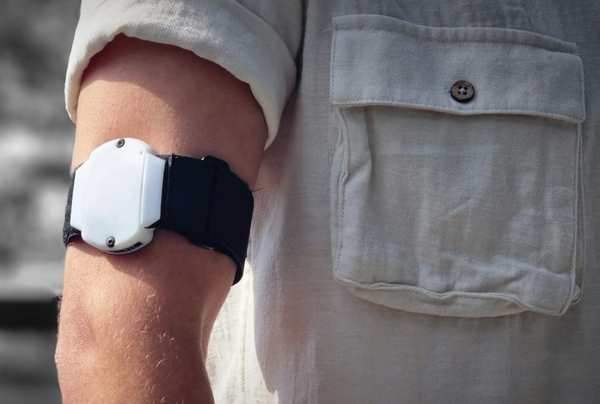
Many people today measure their heart rate, blood pressure, and other health data using smart devices like a smartwatch. Convenient, right? But these devices are not always very accurate, especially for people over 60. That's why we are looking for a better way to do this – and we need your help!

In this study, we aim to analyze various movements using wearable sensors. In the future, we hope to use this technology to prevent injuries and enhance sports or rehabilitation performance.
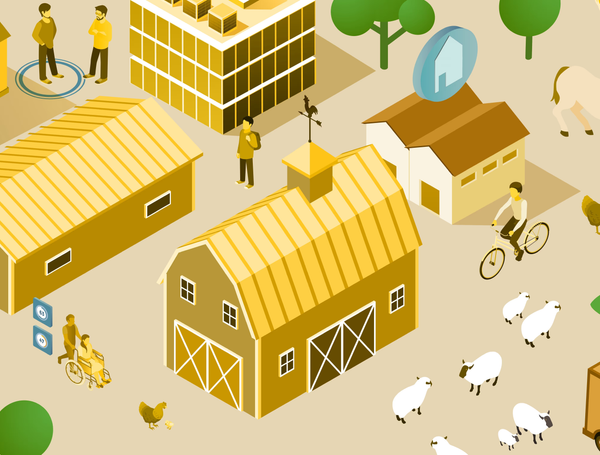
We all have a different perspective on health. What does health mean to you, and how can you use your environment and values to become healthier?
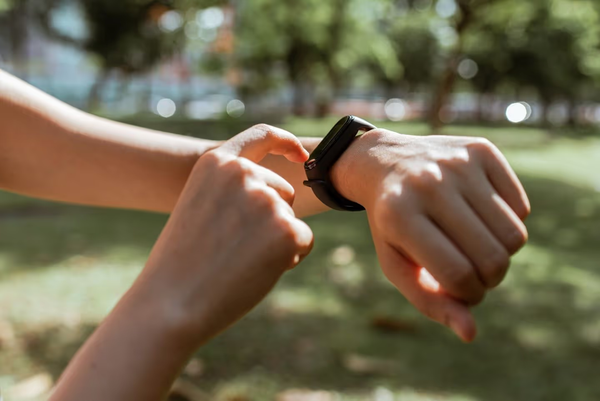
Your diet, daily stress, sleep, and level of physical activity have a significant impact on your health. In this study, we measure your lifestyle using a smart watch and questionnaires. Our aim is to improve the measurement of lifestyle and to investigate how lifestyle affects your health.

The roads are getting busier, and we need to manage this effectively. In this study, we are testing a warning system for cyclists. Our goal is to contribute to improved traffic safety and a better cycling experience.

"Shared decision-making in healthcare" means making choices about your health together with your healthcare provider. Unfortunately, this is not yet a standard practice. In this study, we want to understand the preferences of people with chronic obstructive pulmonary disease (COPD) regarding shared decision-making in their care.
2023

Breastfeeding offers many health benefits for both mother and child. However, not everything is known about how breastfeeding works. We are researching the composition of breast milk to better assist mothers with breastfeeding.
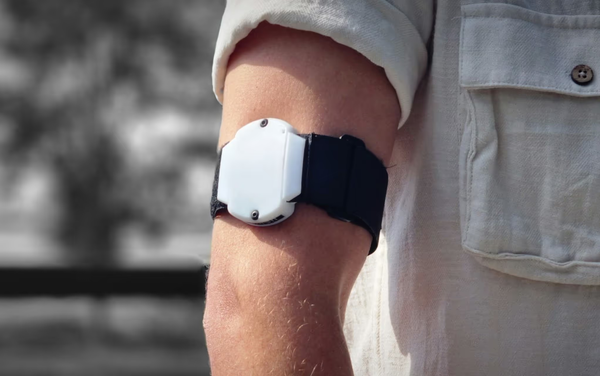
We are looking for participants for our research on a new method to measure heart rate and other cardiovascular data using light. Join us and help improve the quality of this technology!
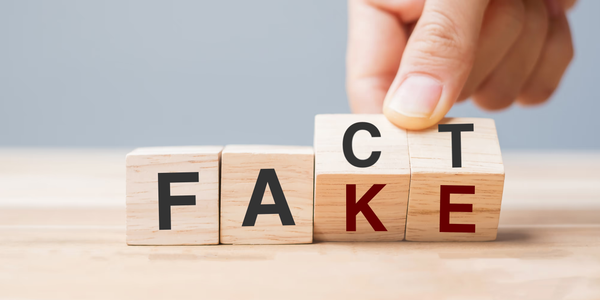
In this study, we are interested in how well people can recognize fake news. Do you believe you can distinguish real news from fake news? If you want to participate, check below for more information and sign up!
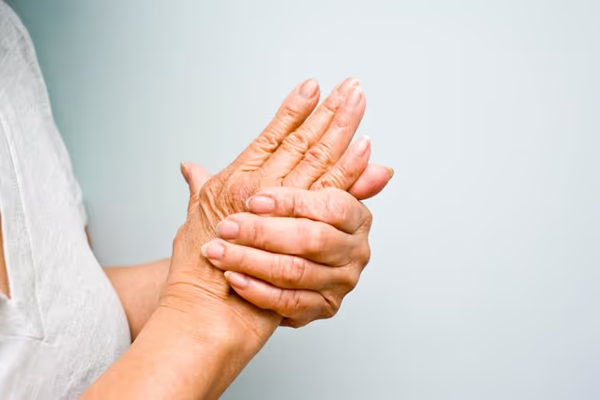
In the Netherlands, approximately 2 million people live with some form of rheumatism. Many individuals seek out ways to manage their symptoms on their own, a practice known as self-management. Our research aims to provide an overview of the positive and negative experiences people have encountered in this process.
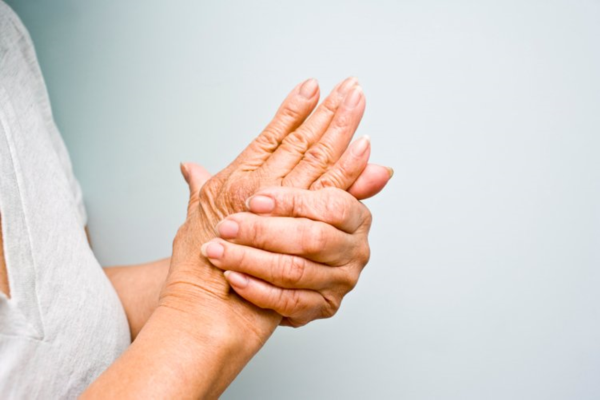
Technology can assist in monitoring symptoms and complaints of rheumatoid arthritis at home. This includes smartwatches and motion cameras. Such tools can help people with rheumatoid arthritis and their doctors better track the condition.