
Cars with smart features? We’re no longer surprised by them. Fully self-driving vehicles may still be on the horizon, but a car that reads road signs, brakes automatically, and keeps a safe distance? You’ll find one at any decent dealership these days. But could something like that… work on a bike?
The electric bike — or e-bike — has brought much higher speeds to the cycle lane. And that’s reflected in accident statistics. A bike that’s just a little bit smarter might actually help. Imagine an e-bike that warns you of danger, temporarily reduces pedal assist, or even brakes using the motor.
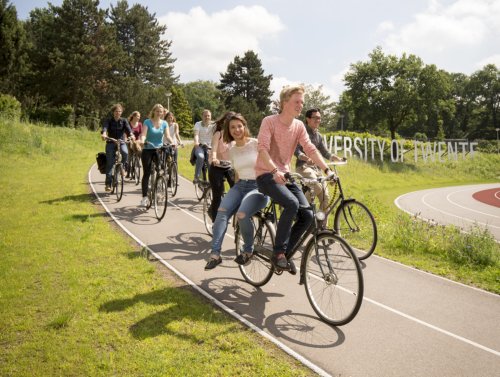
From concept to research on wheels
Professor Karst Geurs is exploring those possibilities. Together with students from civil engineering and computer science — and in collaboration with the cycling industry — he’s developing the bike of the future: e-bike innovations aimed at improving safety for everyone on two wheels.
And the prototypes? They’re not just on paper — they’re being tested on a dedicated track in a residential area near the University of Twente.
How smart is this bike in practice?
In this mini-lecture, Professor Geurs shares more about his smart bike: how the system works, what it might cost, and, of course, what the first test runs revealed.
So here’s the real question: Would you give it a go on your bike? Or would you rather keep cycling simple — just pedal and ride?


