Step into the world of the extremely small
How can you diagnose diseases, such as cancer, at an early stage? Are there more sustainable ways to store energy to make the energy transition possible? And how can you develop sensors that monitor water pollution on a large scale? These important societal challenges all have one thing in common: nanotechnology might provide the answer.
The research field of nanotechnology focuses on an extremely small scale, but its impact is anything but small. Nanotechnology is everywhere. It is found in our phones, computer chips, solar panels, food, cars, medicines, cosmetics and many other applications.
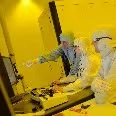
At MESA+, students experience nanotechnology in practice. Through education, research projects and access to advanced facilities such as the MESA+ NanoLab, students learn how nanoscale materials, structures and devices are fabricated, characterised and applied in research.
Step into the world of the extremely small and start your journey towards a career in nanotechnology at the University of Twente.
The University of Twente offers a diversity of educational programmes focused on Nanotechnology.
Following the Nanotechnology Master's programme at the University of Twente means a flying start to a wide range of career options. In an environment of world-class labs and state-of-the-art facilities you’ll be trained in characterisation, fabrication and design of nanomaterials. You will receive personal guidance throughout the programme and benefit from a thorough academic training that covers everything from research skills to setting up a business.
Examples of bachelor and master courses involving the MESA+ NanoLab cleanroom: