
Up until June 2025, the former IEBIS section held monthly seminar presentations during a lunch break. Please find below the archive of presentations including abstracts and speaker information.
 Ali Asgar Erinpurwala
Ph.D. Candidate UT
Cryptography plays a critical role in securing today’s cyberspace. Meanwhile, IoT devices have become ubiquitous, embedded in everything from home appliances to industrial automation systems, including components such as Operational Technology (OT) and ICS. With the rapid advancement of quantum computing, it has become imperative to reassess and redesign current cryptographic algorithms in constrained environments like these because of the unique challenges this domain presents. This is where we look into technical and operational challenges that would hinder the adoption of PQC within critical and large-scale infrastructures in the future, and how they can be mitigated.
Ali Asgar Erinpurwala is a PhD candidate at the DACS Group at the University of Twente, specializing in post-quantum cryptography for industrial environments. With a background in cybersecurity management and applied cybersecurity, he aims to develop practical, quantum-resistant solutions tailored to the unique constraints of operational technology and IoT systems. His ongoing research focuses on bridging the gap between theoretical cryptographic advances and real-world deployment in critical infrastructure.
 Alessandro Neri
Ph.D. Candidate at University of Bologna
The European Union sustainability targets mandate the phase-out of internal combustion engines by 2035, accelerating the adoption of electric vehicles (EVs) and, with it, the emergence of a growing stream of end-of-life (EOL) lithium-ion batteries (LIBs). This transformation brings both urgent challenges and opportunities for circular economy strategies. While EU-27 directives set ambitious recycling targets, a narrow focus on recycling risks overlooking more sustainable and impactful approaches such as repurposing and remanufacturing. To navigate this complex landscape, a system dynamics simulation was developed to model EV battery flows across the EU-27 from 2020 to 2050. This method captures complex interactions over time—such as feedback loops and delays—making it ideal for exploring long-term policy impacts. The model includes EV adoption, battery degradation, second-life applications in stationary storage, and final recycling. Through scenario analysis based on policy goals, technological progress, and market trends, the model highlights how repurposing can ease pressure on recycling infrastructure while supporting affordable energy storage.
Alessandro Neri is a PhD candidate in the Automotive Engineering for Intelligent Mobility programme at the University of Bologna, a multidisciplinary programme involving a consortium of campuses across Italy’s Motor Valley, including the University of Modena and Reggio Emilia—where he earned his master’s in Management Engineering and is currently based. His research focuses on sustainable supply chains and manufacturing systems, with an emphasis on the circular economy of lithium-ion batteries (LIBs) in the transition to electric mobility. He investigates strategies to extend LIB lifecycles—such as recycling, remanufacturing, and repurposing—particularly for second-life applications in stationary storage. His work includes battery flow modelling, process optimisation, and the use of digital product passports for traceability. Additional interests involve renewable energy projects, including site selection for renewables using multi-criteria decision-making, spatial analysis, and optimisation models for renewable energy community design.
 Ghusen Chalan
Ph.D. Candidate UT
Digital supply chains are increasingly dependent on complex networks of IT systems, software services, and third-party vendors. This complexity makes it difficult for organizations to assess risks, identify vulnerabilities, and make informed decisions under pressure. We are working on a decision-support tool developed as part of the DReSC project, which uses knowledge graphs to map and analyze these digital dependencies specifically software dependencies.
Ghusen has a background in Management Information Systems, an MBA in Service Management, and he recently completed his master's in business information technology at UT. He has spent a good part of his career in the hospitality sector in the Gulf region; UAE, Oman, and Qatar, which gave him the chance to travel and experience diverse cultures. Ghusen is enthusiastic about exploring unfamiliar places, history, photography, and scuba diving is something he always tries to fit into his travels. For the past two years, He has been living in Netherlands for the last two years, and the Dutch cycling culture has started growing on him, especially when the sun’s out!
 Aswin Sanil
Ph.D. Candidate UT
As supply chains go digital, they are not just moving faster, they are becoming easier targets for cybercriminals. Organisations rely more than ever on cloud platforms, IoT systems, and third-party software, making it easier for a single breach to cause chaos beyond the IT department. The SolarWinds attack showed how one compromised component could rattle global networks. Closer to home, a ransomware attack on Bakker Logistics left Albert Heijn shoppers facing a crisis few expected: no cheese on the shelves. These incidents highlight how cybersecurity now plays a central role in supply chain resilience, not just in technical systems, but in real-world operations.This research models cyber risk propagation in digital supply chains by applying graph theory, stochastic modelling, and behavioural economics. It simulates cyberattacks on supply chain networks to explore how vulnerabilities spread and where mitigation works best. The analysis examines both technical countermeasures (e.g., quarantining critical nodes) and non-technical strategies (e.g., behavioural nudges and regulatory incentives) to strengthen resilience. It also contributes to cybersecurity training programs tailored for supply chain stakeholders, helping them improve awareness, preparedness, and response behaviours. The ultimate goal is to build a resilience-oriented decision framework that enables organisations to anticipate and manage cyber disruptions more effectively.
Aswin Sanil is a Ph.D. candidate at the University of Twente. He obtained his master’s degree in Industrial Engineering and Management from Linköping University, Sweden, and his bachelor’s degree in Mechanical Engineering from the University of Kerala, India. His PhD project focuses on digital resilience in supply chains, particularly on modelling cyber risk propagation, evaluating cybersecurity investment strategies, and investigating the role of human decision-making in digital risk management. His research interests lie at the intersection of network science, game theory, and behavioural operations research, with a growing focus on educational interventions and cybersecurity training to enhance organizational preparedness.
 Armin Sadighi
Ph.D. Candidate UT
In the rapidly evolving landscape of digital finance, financial institutions are increasingly adopting advanced technologies such as machine learning (ML) to enhance decision-making and risk management. Early warning systems (EWS) are a key component of this shift, helping identify potential financial risks before they escalate into crises. By monitoring credit conditions, market volatility, and macroeconomic trends, EWS provide critical insights into emerging threats. The ability to predict financial risks and respond proactively is essential in today’s fast-paced financial environment. As technology continues to advance, these systems are becoming ever more vital for ensuring financial stability and resilience.
Armin Sadighi is a doctoral candidate at the University of Twente, specializing in the application of machine learning in digital finance as part of the Marie Skłodowska-Curie Actions (MSCA) Doctoral Network. He holds a Master’s degree in Management as well as a Master's degree in Electrical Engineering from the Technical University of Munich and a Bachelor's degree from Amirkabir University of Technology in Computer Engineering. Prior to his PhD, Armin gained industry experience at Allianz and some research experience working in the integrated systems laboratory at Technical University of Munich.
 Yasamin Babaei
Ph.D. Candidate UT
Vaccines play a vital role in monitoring and preventing the growth of contagious diseases. As of December 2019, with the prevalence of coronavirus worldwide, all communities, particularly developing countries, came across irresistible challenges in vaccines for citizens. Moreover, accurate waste control is of great importance, particularly in the context of infectious medical waste. To address these difficulties regarding vaccine inventory ordering and waste management, this research develops a sustainable multi-objective mixed-integer non-linear programming (MINLP) formulation. To examine real goals, three objective functions are evaluated using a multi-criteria decision-making approach (MCDM). Besides, to explore the applicability of the proposed network, a real case study in one of the central cities in Iran, Kashan province, is considered. According to one of the sensitivity analysis results, extending the review period will be conducive to proliferation in the amount of order quantity and, subsequently, imposing more costs on the chain at a particular time and getting the opportunity from countries to capitalize monetary values in other public affairs.
Yasamin Babaei is a Ph.D. candidate in the Industrial Engineering & Business Information Systems (IEBIS) Section at the University of Twente. She obtained her master’s degree in industrial engineering with a focus on systems optimization from the University of Tehran. Her PhD project is grounded in healthcare, specifically focusing on integral mobility and capacity planning in home healthcare. Her current research interests mainly lie in integrating machine learning techniques and operations research approaches to develop efficient solutions for real-world challenges in the healthcare domain.
 M. Chavosh Nejad
Ph.D. candidate, Aalborg University, CHOIR Visitor
The demand for surgical services has increased during the recent years. From the other side, hospitals suffer from surgical resource limitations to satisfy the increasing demand for surgical services. While surgical infrastructure development is an expensive, time-consuming process, improving the efficiency of utilizing current resources can help hospitals in providing surgical services for their patients. This PhD thesis focuses on improving the efficiency of operating room (OR) scheduling at Aalborg University Hospital (AUH) to address long patient waiting times in Denmark's healthcare system. The current manual scheduling process does not utilize historical surgical data, leading to inefficiencies. The research aims to analyze past surgical data using machine learning (ML) to predict surgery duration as a key uncertainty factor in OR and distinguish patients through clustering for a better scheduling practice. Based on these insights, optimization methods will be applied to enhance OR scheduling, ultimately improving resource utilization and reducing patient transfers. The expected contribution is a scheduling model that integrates ML and optimization techniques to better manage OR uncertainties, increasing hospital efficiency and patient satisfaction.
Chavosh joined Aalborg University, Denmark, in June 2022, after completing both my bachelor’s and master’s degrees in Industrial Engineering from top universities in Iran. His research interests are in applications of machine learning in healthcare systems, organizational operation optimization, and formulating operational strategies under uncertainty.
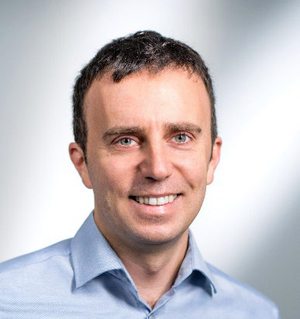 Professor Francesco Corman
ETH Zurich
This talk reports on different challenges and opportunities for optimization in traffic control in railway systems. From the point of view of determining a control objective to support automatic decision, the challenge is how to understand the impact of a decision in terms of system performance. Almost all of those problems have to deal with unknown future states, which must be predicted, typically by model-based or black box approaches, also based on advanced analytics. Once an objective function and optimization variables are determined, optimization models can help finding a solution quickly and effectively. Further challenges are the acceptance of decision stakeholders, within the control room, but also within the travelers and operators, or the direct implementation in automatic digital control. For passenger oriented traffic control, this is particularly interesting and challenging, due to the large amount of possible decision per decision maker; of decision makers; and of data that can partially describe those aspects, which calls for machine learning approaches.
Francesco Corman is associate professor of Transport Systems at the Institute of Transport Planning and Systems, Swiss Federal Institute of Technology, ETH Zurich. He has a PhD in Transport Sciences from TUDelft, the Netherlands, on operations research techniques for realtime railway traffic control. His main research interests are in the application of quantitative methods and operations research to transport sciences, especially on the operational perspective, public transport, railways and logistics. Current research projects tackle analytics for public transport, energy efficiency in railway operations, railway traffic control systems, optimization in logistics chains, integration of maintenance in transport systems operations.
 Dr. Guido Bruinsma
Assistant Professor, IEBIS, UT
This unprecedented growth offers fertile ground for interdisciplinary research, enabling us to address complex societal and organizational challenges with fresh perspectives. Esports, with its dynamic interplay of human behavior, technological systems, and organizational strategy, provides a unique context for studying foundational questions. Behavioral science can uncover how individuals and teams make decisions under pressure, manage stress, and foster collaboration in high-stakes virtual environments. Managerial science can explore innovative approaches to team management, organizational design, and stakeholder engagement in this fastpaced ecosystem. Meanwhile, data science can harness the vast datasets generated by esports to extract actionable insights, refine predictive models, and push the boundaries of machine learning applications. Esports has the potential for today’s society to take the role that Formula 1 has taken to advance our daily driver.
Dr. G.W.J. (Guido) Bruinsma is an Assistant Professor in the Industrial Engineering & Business Information, Systems (IEBIS) group at the University of Twente. He holds a background in work and organizational psychology and completed his Ph.D. at the University of Twente, focusing on developing a simulation model for orchestrating complex multi-organizational collaborative work during emergency response situations. Guido's research interests lie at the intersection of technology, human behavior, and research methodology. He specializes in the development and implementation of game-based interventions, commonly known as serious games, and the creation of health, performance, and data-driven systems for esports. To advance these interests, he founded the Esportslab at the University of Twente and Gamelaboost in the municipality of Enschede. Beyond academia, Guido is actively involved in several startups and organizations focusing on organizational improvement, applied gaming, and esports. His interdisciplinary approach bridges computer science, psychology, and social sciences, contributing to advancements in serious game design, simulation, human resource management and organisational science. Guido's scholarly contributions include publications on serious games for business information technology alignment, game-based learning in formal education, and performance enhancement in competitive environments. His work has been presented at various international conferences, with a focus on integrating academic research with practical applications in technology and human behavior.
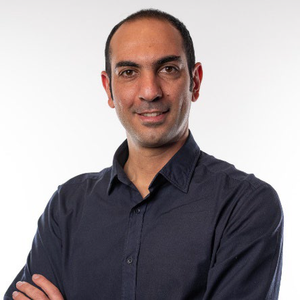 Mohsen Bastani
Ph.D. candidate UT
Inland waterways are an efficient mode of transportation within multimodal corridors, offering significant benefits in terms of cost-effectiveness and environmental impact. However, they are highly susceptible to the effects of climate change, which undermines their reliability and performance. To address this, the suggested approach involves developing a resilience toolbox that supports fundamental and industrial research. This toolbox encompasses metrics, interventions, and strategies that companies can use to improve their resilience to disruptions, particularly those affecting inland waterways. In this seminar, this toolbox will be elaborated upon. Notably, while the existing literature on supply chain and logistics has not thoroughly examined the resilience of inland waterways, this research seeks to innovate by generalizing and adapting effective metrics, interventions, and strategies from related domains, such as road and rail logistics, specifically tailored to inland waterway contexts.
Mohsen obtained his Bachelor of Science in Civil Engineering and his Master of Science in Structural Engineering in Iran. After completing his MSc and gaining work experience in structural retrofitting in Iran, he pursued an EngD in Construction Management and Engineering at the Engineering Technology faculty at the University of Twente. During his EngD project, he designed a monitoring system for the condition assessment of inland navigation locks. Following that project, he began his PhD in the IEBIS group, focusing on the resilience of inland waterways as part of the Dinalog project.

Gülin Yurter
Ph.D. candidate UT
The pumped hydro energy storage (PHES) systems can be installed in various configurations depending on the specific geographical and hydrological conditions. Closed-loop PHES systems are off-stream and have no natural inflow to the system. However, open-loop systems are on-stream and have natural inflows to the upper and/or lower reservoirs. In this study, we develop two-stage stochastic programming models for various PHES configurations to investigate how the choice of PHES configuration impacts the sizing decisions and costs of a hybrid system that includes a renewable power generator co-operated with PHES. Our numerical results show that using a PHES facility instead of a conventional hydropower system reduces the expected system cost and mismatched demand significantly. Open-loop PHES facilities perform better than closed-loop PHES and seawater-PHES facilities, dramatically lowering the need for fossil fuels in demand fulfillment. The most cost-efficient PHES configuration is when there is natural inflow to the upper reservoir. Using solar energy instead of wind as the renewable source significantly increases the requirement for larger upper reservoirs in on-stream open-loop PHES facilities, while reducing the expected system cost for all configurations.
Gülin joined the IEBIS department of the University of Twente in September 2024, after completing both my bachelor’s and master’s degrees at Bilkent University, Department of Industrial Engineering. With her Master’s thesis titled “Renewable Energy System Design and Operational Planning for Demand Fulfillment,” she investigated two problem settings that included various renewables along with various demand fulfillment options, leading to two academic publications. Now, she is working on a project regarding corporate renewable energy procurement strategies, addressing companies’ goals of meeting their energy demand from renewables on a timely basis.
Mateus Peixoto
M.Sc. Student, Pontifical Catholic University of Rio de Janeiro
Forecasting demand is a fundamental aspect of SCM, that ensures businesses produce the appropriate type and volume of products, which is vital for sustaining profitability over an extended period. Judgment and forecasting are fundamentally intertwined, the framing of the collected data belongs to the human agent. Despite statistical models being overall more precise judgmental forecasting and adjustment have proved the value of the interference of human agents, which has proved useful from the insertion of context as adjustments to the forecasting models. However, the participation of the human agents also brings the risk of cognitive biases. The most widespread cognitive bias within forecasting is the anchoring bias. The disproportional focus on one specific value, the complexity and context around this bias could not be prevented by simple calculations. Thus, an anchoring bias ontology was created to detect the biases and provide the necessary context for correction, this way integrating statistical modeling and human expertise without the negative effects of the biases, which distort decision-making and lead to undesired consequences. The origins of the biases are not caused by the values themselves but by the context associated with the value and for having a disproportional influence on the agent’s decisions, this also means that biases from multiple sources could manifest at the same time, and for providing an adequate correction an ontology relating the types and context of anchors is paramount, paving the way to automated support for bias detection and correction.
Mateus Peixoto is an MSc candidate in industrial engineering at the Pontifical Catholic University of Rio de Janeiro (PUC-Rio)(2022-), Winner of the 2023 International Institute of Forecasters Student Award (2023). He holds a bachelor's in industrial engineering, with a specialization in the analysis of decision-making and risk. (PUC-Rio 2016-2021). The main research interests are the multilevel integration of supply chains, providing an accurate perception of the potential consequences of decisions, combining of statistical models, robust optimization and automatic mechanisms for bias detection. He has published 3 papers in IPSERA 2024 relating the multi-criteria evaluation of forecasting models, will present a framework for Data-Driven and Cognitive Aware SCM in ENEGEP 2024 and present a new application for Decision-Depedent Uncertainty for scm in the Brazilian symposium of operational research (SBPO).
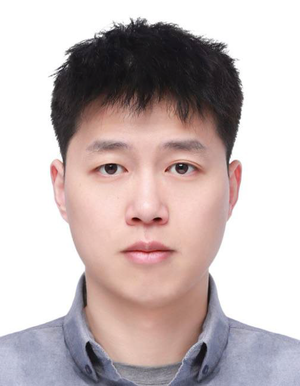 Yongjian Tao
EngD candidate UT
This talk will present the progress of EngD project focused on building a Digital Twin platform for the Twente Canal. The goal is to enhance resilience in multimodal corridors affected by climate change and other disruptive events such as droughts and floods. The platform integrates real-time monitoring, water level forecasting, and logistics optimization to support decision-making for stakeholders, including logistics companies, government bodies, and industrial users. The discussion will cover the project's current stage, including stakeholder interviews, requirement analysis, and the initial architectural design of the platform.
Yongjian Tao is an EngD candidate at the University of Twente, working on the development of a Digital Twin for multimodal corridors. His current focus is on creating a prototype or demonstrator for the Twente Canal Digital Twin. He hold a Master’s degree in Architecture from Southeast University, China, with a focus on intelligent construction. He has extensive experience in architectural design, digital twin modeling, and urban planning, and have contributed to several digital twin and architectural projects across various industries.
 Abbas Maleki
Ph.D. Candidate, IEBIS /CHOIR Group, UT
The COVID-19 pandemic has underscored the critical need for effective public health strategies, particularly in implementing widespread vaccination programs. The urgency and scale of these programs have brought global attention to the development of essential policies and tactics to ensure efficient and equitable vaccine distribution. However, a significant and often overlooked consequence of these efforts is the dramatic increase in medical waste production, which, if not properly managed, poses severe risks to both public health and the environment. The mishandling of medical waste, including used syringes, vials, and personal protective equipment, can lead to the spread of infectious diseases and environmental contamination, making its management an integral component of any public health initiative.
In response to these challenges and, we proposed a comprehensive and sustainable fuzzy multi-objective, multi-period, multi-product, and location-allocation model that integrates both the vaccine distribution phase and the medical waste management process. This model is designed to optimize the logistics of vaccine distribution while simultaneously addressing the complexities of medical waste collection, transportation, and disposal. Moreover, the model introduces a novel social aspect by incorporating a fuzzy version of the time window constraint from the perspective of vaccination centers. This enhancement allows for the integration of both the satisfaction level and the priority of the nodes that must be visited, ensuring that the model not only meets logistical objectives but also aligns with the social and public health priorities of the vaccination centers. By accounting for the variability and uncertainty inherent in real-world operations, the fuzzy time window enables a more flexible and responsive approach to scheduling and routing.
Abbas Maleki is a Ph.D. researcher in the Industrial Engineering & Business Information Systems (IEBIS) Section at the University of Twente. He holds bachelor's (2017-2021) and master's (2021-2024) degree in Industrial Engineering - Systems Optimization from the University of Tehran. His main research interest lies in integrating AI-based and optimization-based techniques to develop decision-support tools to deal with stochasticity in healthcare systems. Abbas started his Ph.D. in June 2024, titled “Design and Analysis of Drone-based Medical Items Transportation” supervised by Dr. Amin Asadi working at CHOIR.
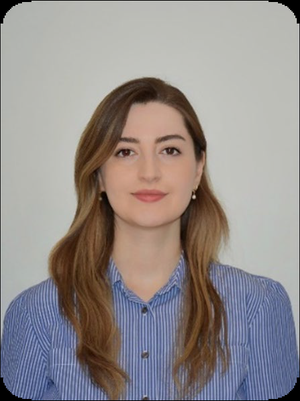
Asal Karimpour
Ph.D. Candidate, IEBIS/CHOIR Group, UT
One of the most significant human-induced environmental challenges is the rise in greenhouse gas (GHG) emissions, leading to global warming, pollution, environmental harm, and health risks to animals. Transportation, as a key part of the supply chain, plays a major role in these environmental challenges. The impact of this sector is especially significant with the growing use of green vehicles like Electric Vehicles (EVs). EVs are relatively new but increasingly important modes of transportation, and their deployment has grown rapidly over the past decade. Designing an efficient routing scheme for EV fleets is crucial, especially given their need for charging stations. The best route is the route with the least energy consumption because of a shortage of charging stations, the relatively long charging duration, and the charging cost. The existence of time limitations adds complexity to the routing process, especially due to the formation of queues at charging stations. Including a queuing system in the routing plan leads to more precise time calculations and a more efficient routing scheme. In addition to these factors, the transportation network may present alternative paths, known as a multigraph. Multigraph is a road graph where at least one pair of nodes is connected by parallel edges as alternative paths. When planning routes on a multigraph, various criteria such as distance, travel time, travel cost, and energy consumption must be evaluated. The presence of alternative paths requires a more sophisticated approach to route planning, ensuring that the chosen path optimally balances all these factors, especially in the context of electric vehicles.
In June 2024, Asal joined the IEBIS section and CHOIR group at the University of Twente as a PhD candidate. Her doctoral thesis focuses on Nurse-Centric Scheduling in Home Care. She obtained her bachelor's and master's degrees in Industrial Engineering. Her master's thesis addressed the rechargeable electric vehicle routing problem, and she published a paper based on this research in COR in 2023. After completing her master’s, Asal worked in industry as a manufacturing planner. After gaining valuable experience, Asal decided to continue my academic journey by pursuing a PhD at the University of Twente.
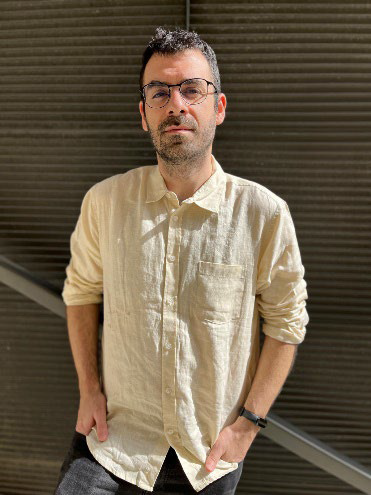 Dr. Frédérik Sinan Bernard
Postdoctoral Fellow, IEBIS Section, UT
Blockchain technology, now commonly accepted as a major disruption in several fields of science, notably due to its characteristic as a technological layer for data storage and leverage, is a particularly interesting candidate for transdisciplinary research. Economic intelligence (EI) as a field of study also is, by nature, transdisciplinary. This field, which focuses on the set of activities involving the collection, analysis, dissemination of strategic information to enhance, in offensive and defensive practices, the competitiveness of businesses and nations, widely involves the private sector, the public sector and academia - although most often in very disconnected ways; and even more so at the European level. Considering the impact blockchain already has and will likely have even further in the various (public & private) sectors of activities, this disruption provides the opportunity (if not the necessity) to (re)discover the field of EI and bring together stakeholders, experts and academics to join forces in ensuring that technology disruptions have a positive impact on how we perceive, model, plan and act in the world we live in - while attempting to remain conscious of the tactical and strategic risks and opportunities such technological advances bring forth, as we go through them. This talk is a presentation of crypto-economic intelligence (CEI) as an avenue for research, as defended by Dr. Bernard during his PhD, aimed to a wide audience interested in these topics, to reflect on how research should be coordinated and structured, with an open ended invitation to participate and engage around this field. The objective is to participate in the debate to ensure that future European EI systems adapt and incorporate CEI considerations in their frameworks, to at least try to strike a balance between fair and robust competitive environments, safeguard national interests, consider the increasing privacy concerns and move forward coherently with relevant research objectives in the field of blockchain.
Dr. Frédérik Sinan Bernard started his post-doctoral researcher position at the University of Twente (NL) in May 2024. He finished his PhD in 2022 at the Centre d'Études Diplomatiques et Stratégiques (CEDS) in Paris, working on the conceptualization of the impact of crypto-economics as a new subfield of economics and the introduction of blockchain technology within different systems of national economic intelligence. He recently developed the MPA program entitled "Geopolitics of Crypto-Economics" at CEDS, scheduled to be launched for the first time 2024-2025, is involved in several non-profits (core member of Paris Blockchain Society, fellow for Turkey of Blockchain for Good, founding member of Lisbon Art Weekend).
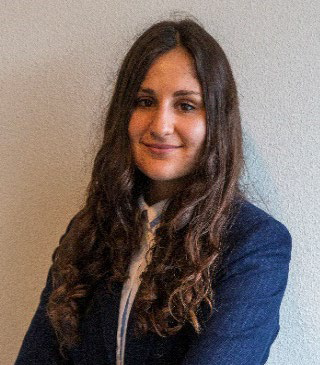 Donika Xhani
Ph.D. Candidate, IEBIS Section, UT
The food system is a complex network involving diverse stakeholders and processes, generating extensive data at every stage of the supply chain. This data presents an opportunity for the application of recommender systems, which are widely used to deliver relevant content to users. In the context of food systems, these recommender systems are employed to suggest food items, recipes, or diet plans tailored to user needs. However, current systems often lack transparency in their decision-making processes and fail to adequately personalize recommendations by considering users' dietary needs, preferences, or cultural backgrounds. To address these issues, it is essential to incorporate semantic reasoning and eXplainable Artificial Intelligence (XAI) into food recommender systems. XAI aims to make machine learning algorithms more explainable and understandable to humans, while semantic reasoning can be enhanced through the use of ontologies, which define the underlying semantics in a system clearly and precisely. This Systematic Literature Review (SLR) aims to identify the components of the food supply chain, existing ontologies and knowledge graphs used in food supply chains or food recommenders, and XAI methods employed to make the outputs of recommender systems comprehensible to users. By exploring these aspects, the SLR seeks to improve the effectiveness and trustworthiness of food recommender systems.
Donika Xhani obtained her bachelor’s degree in Business Information in 2019. Later on, in 2021, she obtained her master’s degree in Business Information Technology (BIT) with the specialization in IT management and Enterprise Architecture. After her MSc, she pursued an EngD in BIT, within the Semantics, Cybersecurity and Services (SCS) group in the EEMCS faculty, UT. The topic of her EngD thesis is “Ontology Engineering for eXplainable Artificial Intelligence in Tyre Engineering”. Since the 1st of December 2023, she is a PhD student in the IEBIS group, and the topic of her PhD is “Next Generation Cross-Sectoral Data Platform for the Agriculture Sector”, which is part of the 4TU.Redesign project.
 Damla Yuksel
PhD Candidate, IE Department, Yaşar University.
Combining deep reinforcement learning and meta-heuristic techniques represents a new research direction for enhancing the search capabilities of meta-heuristic methods in the context of production scheduling. Q-learning is a prominent reinforcement learning in which its utilization aims to direct the selection of actions, thus preventing the necessity for a random exploration in the iterative process of the metaheuristics. In this study, we provide Q-learning guided algorithms for the Bi-Criteria No-Wait Flowshop Scheduling Problem (NWFSP). The problem is treated as a bi-criteria combinatorial optimization problem where total flow time and makespan are optimized simultaneously. Firstly, a deterministic mixed-integer linear programming model is provided. Then, Q-learning guided algorithms are developed: Bi-Criteria Iterated Greedy Algorithm with Q-Learning and Bi-Criteria Block Insertion Heuristic Algorithm with Q-Learning. Moreover, the performance of the proposed Q-learning guided algorithms is compared over a collection of heuristics in the literature. The complete computational experiment, that is performed on the 480 problem instances known as the VRF benchmark set, indicates that the proposed Q-learning guided algorithms can yield more non-dominated bi-criteria solutions with the most substantial competitiveness than the remaining algorithms. At the same time, both are competitive with each other on the benchmark problems. Among all the features that have been compared, the Q-learning-guided algorithms demonstrate the highest level of competitiveness. The outcomes of this study encourage us to discover (i) the effectiveness of the Q-learning integration into metaheuristics applied for the flowshop scheduling problems, and (ii) many more bi-criteria NWFSPs for revealing the trade-offs between other conflicting objectives, such as makespan & the number of tardy jobs, to overcome various industries' problems.
Damla Yuksel obtained her bachelor’s degree in Industrial Systems Engineering and completed the Double Major Program in International Trade and Finance at Izmir University of Economics, Turkey in 2016. She studied at Maynooth University, Ireland as an exchange student within the scope of the Erasmus + Student Exchange Program. Later, she received her master’s degree in Industrial Engineering at Yaşar University, Turkey in 2019. Currently, she is a Ph.D. candidate in the Industrial Engineering department at Yasar University and focuses on no-wait permutation flowshop scheduling problems in her Ph.D. thesis. She worked as a Research Assistant for five years in the Industrial Engineering department at Yaşar University. Her research interests include scheduling problems, green/energy-efficient scheduling, mathematical modelling, multi-objective optimization, supply chain network designs, and sustainability and circularity in supply chains.
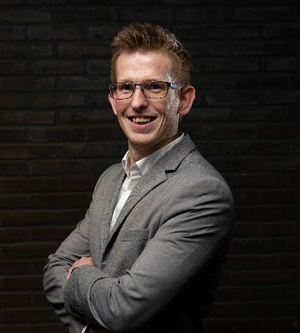 Dr. Maarten Renkema
Assistant Professor, HBE Department, UT
Organizations increasingly use Artificial Intelligence (AI) technologies in both their primary processes as well as for managing employees. The developments in AI technologies open up new possibilities for algorithmic applications that in turn change the world of work and influence organizational practices. Because of these developments, workers increasingly have to deal with AI in their daily work practices. Whereas technological breakthroughs in the past impacted routine work performed by blue collar workers in industrial settings, current AI technologies have become more advanced and thereby also influence knowledge work. Knowledge workers, characterized by the creation, dissemination and application of knowledge, are exposed to novel AI applications, such as Generative AI. Instead of being displaced, knowledge workers will collaborate with AI applications in their work, which has implications for their work characteristics and the quality of work. Given the recent developments in AI, research that is focused on knowledge workers’ experiences in collaborating with AI is limited. For that reason, our SAMKIN research project is focused on examining these experiences. Based on four case studies involving over 80 interviews, we have explored and uncovered how knowledge workers experience this collaboration and how the work of knowledge workers is impacted by the (potential) use of AI.
Maarten Renkema is Assistant Professor at the University of Twente (NL) in the field of Human Resource Management & Innovation. His research focuses on the intersection between HRM, technology and innovation, approached from a multilevel perspective. Particularly he is interested in combining two main areas, (1) employee-driven innovation and (2) innovative and high-tech HRM activities. Research of Maarten has been published in peer-reviewed international journals such as Human Resource Management Review, Creativity & Innovation Management, The International Journal of Human Resource Management, Personnel Review, Journal of Nursing Management and Journal of Organizational Effectiveness: People and Performance. Furthermore, he was involved in organizing and participating several international workshops about multilevel HRM & Innovation.
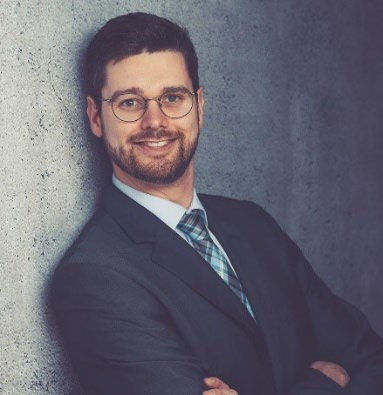 Dr. Joschka Hüllmann
Assistant Professor, IEBIS Department, UT
Manufacturers deem servitization, i.e., a shift towards offering digital product-service systems, a competitive remedy facing heightened customer expectations and competition amidst their digital transformation. Although previous research inquired about traditional service operations, research into the servitization’s digital nature remains nascent, and insights addressing the behavioral changes associated with such transformations are lacking. This paper presents a mixed-method case study at a German car manufacturer, sharing insights into which organizational and individual factors drive salespeople’s behaviors during servitization. Based on twelve interviews and eleven workshops, a research model of organizational and individual factors driving behaviors is derived. The organizational factors include information dissemination, service orientation, and formalization. The individual factors include technology affinity, involvement, and usage clarity. Quantitative validation of the research model with structural equation modeling (SEM-CB) and 186 participants from the German car manufacturer suggests that service orientation is essential and usage clarity is key to mediating behaviors. The study contributes to understanding salespeople’s behavioral changes when introducing digital product-service systems. Recommendations on designing personnel training programs to improve the sales of digital product-service systems are derived.
Joschka Hüllmann is assistant professor of Information Systems in the Department of High-Tech Business and Entrepreneurship at the University of Twente in the Netherlands. Previously, he completed his PhD in Münster, Germany, with research stays in Hamburg, Sydney, Sao Paulo, and Osnabrück. His research addresses the interface between the development and organizational use of management information systems and their impact on work and the workplace. He likes using digital traces for theorizing and contributes to their methodological advancement. The results of his research have been published in IEEE Transactions, Information Technology & People, Deutscher Wirtschaftsdienst, and in the proceedings of all leading information systems conferences (ICIS, ECIS, WI, ACIS, PACIS, AMCIS). Before his academic career, Joschka Hüllmann worked as a software developer in the fields of renewable energies and public transport.
 Yifei Yu
Ph.D. Candidate, IEBIS Department, UT
Circular Economy aims to close building material loops and improve resource efficiency based on circular practices, rather than continuing the take-make-consume-dispose process. However, it is challenging to manage multiple circular buildings at scale because of spatiotemporal mismatches of circular material flows. A Circularity Information Platform (CIP) is viewed as a promising solution to tackle this challenge. Although this type of solution attracts increasing attention, there is a lack of empirical evidence on CIP’s design and development. From a design science perspective, this research presents the lessons learned from two validation sessions, built upon the prior design work. Specifically, we validate a web-based CIP prototype and a circular matchmaking simulation model in the context of the circular built environment in the Twente region, respectively. We conduct validation workshops in different forms by engaging potential users with diverse knowledge backgrounds, including practitioners, policymakers, researchers, and students. Validation feedback is collected and analysed to answer two major questions: (1) What can designed artefacts do now? (2) What can they do in the future? The findings show that the artefacts help to build a common experimental basis for multi-stakeholders where they can envisage, evaluate, and discuss the potential functions, benefits, and trade-offs of implementing CIP in the built environment.
Yifei Yu is a full-time (2020--2024) PhD candidate at IEBIS funded by BMS Signature PhD Grant. He holds a Bachelor’s degree in Civil Engineering and a Master’s degree in Construction Management and Engineering. His PhD project is about designing a Circularity Information Platform to accelerate the Circular Economy transition in the built environment. His work contributes to the design theory for a Circularity Information Platform from different perspectives. He takes a multi-disciplinary research approach covering the fields of Circular Economy, Industrial Symbiosis, Construction Management, Information Systems, and Public Policy.
 Dr. Ana María Anaya-Arenas
Associate Professor, the Université du Québec à Montréal Business School
Visiting Scholar, CHOIR Group, University of Twente.
Hub-and-spoke problems have been widely studied in the literature and as they are more of a strategic problem, little effort has been devoted to incorporating service-related restrictions into them. However, current trends in transportation seek more flexibility and tighter service schedules. In this talk we will discuss the nuances of integrating time constraints into hub-and-spoke systems. Two alternative and efficient formulations for hub network design with strict time restrictions and service levels will be presented. To illustrate our contribution, a case-study inspired from the healthcare network of Québec, Canada, will allow us to show the interest and importance of considering this restriction explicitly in the model.
Industrial engineer with a Ph. D. in administration science, Ana María is an associate professor in Operations Management at the Université du Québec à Montréal Bussiness School (ESG-UQAM). She is mainly concerned about the planning, design and optimisation of the logistic network and distribution decisions in humanitarian and healthcare logistics. Her latest work focuses in fairness in distribution, network design with time dependencies, as well as efficient modelling and resolution approaches for real-life distribution challenges.
 Raphael Hoheisel
External Ph.D. Candidate, IEBIS Department UT
To prevent crime and disrupt criminal activities, it is important to understand how and where criminals communicate with each other. However, identifying the platforms they use can be challenging. One effective method is to investigate underground forums, which are online spaces frequently visited by criminals. These forums allow users to buy and sell illegal goods or services, exchange knowledge, expand their social networks, and share contact details. In an ongoing study, we are investigating the various factors that influence the communication platform preferences of users of an underground forum. This presentation will introduce the topic, present initial results, and outline the next steps in our research.
Raphael is an external PhD candidate at the HBE/IEBIS group. Prior, he was doing his master in cyber security at the UT and his bachelor's degree in engineering science at the TU Munich. At this time in his research, Raphael investigates criminal behavior and the factors that might influence the choice of malware infrastructure and communication means.
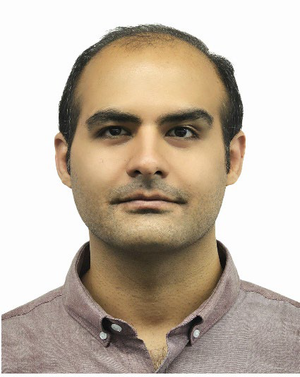 Behzad Mosalla Nezhad
Ph.D. Candidate, IE Department, Tecnológico de Monterrey, Visiting Researcher, IEBIS Section, UT
Pandemics, such as the Influenza virus and the current COVID-19 crisis, have the potential to cause widespread disruptions across various sectors, including supply chains, beyond the capacity of communities or governments. Moreover, there is an urgent need to find effective solutions to mitigate the negative impacts associated with the waste generated during pandemics. The establishment of a relief supply chain network not only can alleviate the detrimental impact of pandemics and strengthen the distribution of relief supplies across medical centers and demand zones, but also can manage the recyclable and hazardous waste within the supply chain network. By ensuring access to essential resources, this approach can help minimize disruptions and ensure that critical healthcare services remain operational. Additionally, the adoption of technologies such as the Internet of Medical Things (IoMT) immensely helps in enhancing healthcare delivery during pandemics by utilizing the data gained from individuals and healthcare systems to manage the relief supply chain during a pandemic regularly.
Behzad Mosalla Nezhad is a PhD student in the Industrial Engineering department at Tecnológico de Monterrey, Mexico. He obtained his master’s degree in industrial engineering from Amirkabir University of Technology, Iran. His PhD research focuses on designing a disaster relief supply chain network for pandemics. He has developed various sustainable and smart supply chain networks for disaster situations such as pandemics, aiming to address shortages, financial considerations, and environmental impacts. His main interests lie in humanitarian supply chains, mathematical optimization, metaheuristic algorithms, multi-criteria decision-making, and machine learning. Currently, he is a visiting researcher at the University of Twente.
 Dr. Anand Gavai
Assistant Professor, IEBIS Department, UT
To accelerate food system transformations, local and contextualized solutions are needed. Current physical and digital technologies are mostly developed in silos and with leading market players. Therefore, they are not connected to local consumer food and health demands, data sovereignty and local context. This program develops a complete solution which is scalable across urban environments, i.e. we develop the high-tech and data-driven agri-food system of the future.
This is a collaboration project within 4TU as other universities are also involved. From UT 5 members are involved.
“Dr. ir. Anand K. Gavai is a researcher who focuses on agriculture and food systems. He specializes in utilizing data to gain valuable insights and is particularly skilled in privacy-preserving data platforms. In this field, he designs and implements data infrastructures and develops customized machine learning algorithms. These algorithms effectively integrate data from diverse sources by employing semantic web technologies. Driven by a deep commitment to sustainable change, Dr. Gavai aims to optimize farming practices and enhance resource management. His extensive background in both computer science and agricultural sciences allows him to construct robust frameworks for efficient data collection and analysis. By harnessing the power of AI, these kind of algorithms derive actionable insights from a wide array of data, including weather patterns, soil composition, crop yields, and market trends. With his expertise in semantic web technologies, Dr. Gavai promotes collaboration and facilitates knowledge sharing within the agricultural community. He is dedicated to making a positive impact on agriculture and food systems. His current research revolves around development of solutions that enable efficient, resilient, open, and sustainable global food supply chain.”
 Rob Bemthuis
Researcher, EEMCS Faculty, UT
In simulation, the primary goal for a system designer is to develop a model that not only performs a specific task but also accurately represents real-world systems or processes. However, creating a valid simulation model—a key factor for enhancing understanding and decision-making in the real world—proves to be challenging and time-consuming. The emerging data-driven discipline of process mining can assist in the validation process by extracting process models and insights from event/data logs generated during simulation. These techniques, particularly when paired with effective visualization, show promise in extracting valuable insights. We explore an approach that uses process mining techniques to evaluate the face validity of agent-based simulation models. The approach is demonstrated through illustrative scenarios.
Rob Bemthuis, a researcher in the Pervasive Systems department at the EEMCS faculty, obtained both his bachelor’s and master’s degrees in IEM at the UT. His doctoral research was focused on designing a resilient logistics supply chain. The research aimed to understand how intelligent distributed business entities, such as smart pallets or containers, could improve the detection, guidance, and prediction of disruptive emergent behaviors. He proposed various methods for assessing, extracting, and learning from emergent phenomena using business rules. Rob was a visiting researcher at the University of Southern Denmark and the Karlsruhe Institute of Technology. Currently, he is a postdoctoral researcher, coordinating and conducting research within a sustainable construction logistics project.
 Siraj Anand
Ph.D. Candidate, IEBIS Department, UT
The Internet has emerged as a transformative force, enabling global communication and information sharing. With increasing reliance on the Internet for social interactions and business transactions, there's a need to address security and data management. While cybersecurity is often considered an IT issue, a truly secure and resilient Internet ecosystem is established by the organizations' controllable, accountable and transparent processes and resilient infrastructure. Our work explores data governance in the Internet ecosystem and aims to develop a secure-by-design system called ``Digitally Sovereign" Internet or Responsible Internet. By analyzing market dynamics and incentives, we highlight the advantages of a Controllable, Accountable, and Transparent Internet for businesses. We also explore business models for a Responsible Internet ecosystem, fostering sustainable, secure and interoperable inter-networking. Our research seeks to help establish a robust Internet that safeguards shared assets, enabling businesses to thrive while responsibly managing digital resources and services.
Siraj Anand completed his B.Tech. in Computer Science from the National Institute of Technology (India), He worked as a project engineer for a service company working as a resource for Microsoft cloud project (Azure). After serving in his first job for 2 years, he completed his MBA in Business Economics from the University of Delhi (India). He landed in PwC India after his Masters, working as an associate Technology Consultant for the Cybersecurity group. He joined the University of Twente as a Ph.D. in September 2022, in the CATRIN project. His research mainly focuses on rational decision-making for businesses in the cybersecurity domain.
 Robert van Steenbegen
Ph.D. Candidate, IEBIS Department, UT
While distributing essential supplies in volatile environments, humanitarian transport is often exposed to threats such as attacks. To mitigate the negative consequences of attacks, we introduce the heterogeneous fleet risk-constrained vehicle routing problem (HFRCVRP), in which we aim to minimize transportation costs and the expected loss of getting robbed. An Adaptive Large Neighborhood Search (ALNS) heuristic is presented to solve the problem. The trade-off between transportation costs and expected loss of attacks is analyzed with a real-world case in South Sudan. The results show that this trade-off is especially relevant in the heterogeneous variant, in which Unmanned Aerial Vehicles (UAVs) can effectively mitigate risks of truck transport, providing a significant improvement in the objective value compared to a scenario with only trucks. Risks can be completely eliminated by increasing transportation costs by a factor of five.
Robert van Steenbegen is a PhD candidate at IEBIS. He started his PhD project “Last Mile Drone Logistics for Humanitarian Aid” four years ago after finishing is master IEM at the University of Twente. In his research, he investigates the application of Unmanned Aerial Vehicles (UAVs), or drones, to humanitarian logistics. After a severe disaster, affected people require relief goods (e.g., shelter, food, water). UAVs can offer an effective alternative form of transportation for the last-mile delivery of relief goods. In this research, the objective is to analyze in which situations, in what ways and to what degree UAVs can contribute to humanitarian logistics, using simulation modelling, optimization, and reinforcement learning. UAVs are especially effective in situations with high uncertainty in demand, locations, travel times, or security and have the ability to reach any disaster-affected location.
 Florentina Hager
Ph.D. Candidate, IEBIS Department, UT
The aftermath of a disaster can result in a high number of casualties requiring medical care within a short time frame. Often, due to insufficient local capacities a significant percentage of these casualties must be transported to hospitals or other suitable care facilities. Various mass transportation modes, such as busses, ships, or trains, could provide an efficient way of quickly transporting casualties to available medical treatment centres outside of the disaster area.
The inclusion of diverse (mass) transportation modes, however, gives rise to additional logistical complexities. In most cases, entry points to rail-based, air-based or water-based modes of transport do not coincide with the disaster area. As a result, casualties need to transfer between different transportation modes. Moreover, to efficiently use the capacities of mass transportation modes, the casualties’ trajectories must be coordinated both timewise and geographically.
To account for these complexities, we focus on the development of models that integrate various (mass) transportation modes. Our aim is to support decision-makers and thus improve casualty management in future disasters.
After completing her bachelor’s and master’s degree at the University of Graz in Austria with stays abroad at the Université Paris Nanterre and University of Twente, Florentina began her Ph.D. in May 2022 at the TU Darmstadt. In June 2023, she then officially transferred to the University of Twente. Her research is centred on addressing logistical challenges in disaster settings, with a special focus on casualty management.
 Dr. Melanie Reuter-Oppermann
Assistant Professor, IEBIS Department, UT
Almost all emergency medical service (EMS) systems worldwide face an increasing cost pressure often accompanied with a shortage of staff and other necessary resources as well as issue of long distances to sparsely populated areas. This means that adequate response times for all patients, 24 /7, and throughout all regions are difficult or even impossible to ensure. An efficient use of resources is crucial, including those available as pre-EMS services, e.g. first responders. Operations research (OR) and artificial intelligence (AI) approaches can support that. Unfortunately, the German EMS system falls short in terms of digitalisation in general and the use of well-grounded methods for managing and planning their logistics and processes. The research project SPELL funded by the German Ministry for Economic Affairs and Energy aims at developing a platform that provides decision support to coordination centres on a daily bases, but also in case of a crisis or (natural) disaster. The platform will offer various OR- and AI-based services including intelligent dashboards, chatbots as well as forecasting, optimisation and simulation approaches for addressing strategical, tactical and operational problems. With this platform, we hope to overcome some of the determined barriers for improvements of the EMS systems. In this talk, we address recent topics in EMS logistics from a practical and a research perspective and discuss different planning problems including the location of ambulances and the scheduling of patient transports and how we have integrated them into the SPELL platform.
Melanie is Assistant Professor for Operations Research in Healthcare at the University of Twente. She received her PhD in Operations Research from the Karlsruhe Institute of Technology and spent her PostDoc at the Technical University of Darmstadt. She is a joint coordinator of the EURO working group ORAHS and speaker of the scientific advisory board of the DGRe. Her main research interests are OR and IS for emergency services/logistics and crisis management, as well as other areas in healthcare, e.g. blood logistics or primary care.
Dr. Melanie Reuter-Oppermann
Assistant Professor, IEBIS Department, University of Twente.
Almost all emergency medical service (EMS) systems worldwide face an increasing cost pressure often accompanied with a shortage of staff and other necessary resources as well as issue of long distances to sparsely populated areas. This means that adequate response times for all patients, 24 /7, and throughout all regions are difficult or even impossible to ensure. An efficient use of resources is crucial, including those available as pre-EMS services, e.g. first responders. Operations research (OR) and artificial intelligence (AI) approaches can support that. Unfortunately, the German EMS system falls short in terms of digitalisation in general and the use of well-grounded methods for managing and planning their logistics and processes. The research project SPELL funded by the German Ministry for Economic Affairs and Energy aims at developing a platform that provides decision support to coordination centres on a daily bases, but also in case of a crisis or (natural) disaster. The platform will offer various OR- and AI-based services including intelligent dashboards, chatbots as well as forecasting, optimisation and simulation approaches for addressing strategical, tactical and operational problems. With this platform, we hope to overcome some of the determined barriers for improvements of the EMS systems. In this talk, we address recent topics in EMS logistics from a practical and a research perspective and discuss different planning problems including the location of ambulances and the scheduling of patient transports and how we have integrated them into the SPELL platform.
Melanie is Assistant Professor for Operations Research in Healthcare at the University of Twente. She received her PhD in Operations Research from the Karlsruhe Institute of Technology and spent her PostDoc at the Technical University of Darmstadt. She is a joint coordinator of the EURO working group ORAHS and speaker of the scientific advisory board of the DGRe. Her main research interests are OR and IS for emergency services/logistics and crisis management, as well as other areas in healthcare, e.g. blood logistics or primary care.
 Dr. Hao Chen
Assistant Professor, IEBIS Department, UT
Wind power prediction, especially for turbines, is vital for the operation, controllability, and economy of electricity companies. Hybrid methodologies combining advanced data science with weather forecasting have been incrementally applied to the predictions. Nevertheless, individually modeling massive turbines from scratch and downscaling weather forecasts to turbine size are neither easy nor economical. Aiming at the above, this research proposes a novel framework with mathematical underpinnings for turbine power prediction. This framework is the first time to incorporate knowledge distillation into energy forecasting, enabling accurate and economical construction of turbine models by learning knowledge from the well-established park model. Besides, park-scale weather forecasts are non-explicitly mapped to turbines by transfer learning of predicted power errors, achieving model correction for better performance. The proposed framework is deployed on five turbines featuring various terrains in an Arctic wind park. The results are evaluated against the competitors of ablation investigation. The major findings reveal that the proposed framework, developed on favorable knowledge distillation and transfer learning parameters tuning, yields performance boosts of 3.3 % - 23.9 % over its competitors. This advantage remain exists in terms of wind energy physics and computing efficiency, which are verified by the prediction quality rate and calculation time.
Hao recently started work as an assistant professor in AI and sustainable industries at IEBIS. His current research interest is how to innovatively develop and deploy emerging AI technologies and mathematical methods for the unique physical principles and economic mechanisms of sustainable industries, especially for future energy and environment systems, to combat climate change.
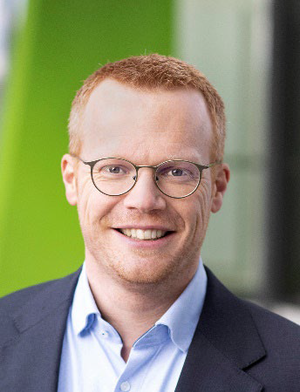 Dr. Sebatian Rachuba
Assistant Professor, IEBIS Department, UT
This talk discusses the use of simulation to support decision-makers in order to efficiently utilise limited resources in hospitals. We focus on allocating available capacity in the operating room (OR) and the intensive care unit (ICU) which are highly inter-dependent; their planning is further complicated by stochastic demand in terms of surgery duration and subsequent length of stay. Tactical blueprints are an effective tool to support planners handle those complicating factors by focusing on a long-term target number of surgeries. With such blueprints as an input, the simulation model evaluates the impact of guidelines on surgery volume as well as the utilisation of OR and ICU. Computational studies show that continually applying such templates as admission guidelines leads to a well-utilised OR and efficiently used ICUs. We highlight lessons learned from past collaborations with care providers and discuss interesting avenues for future research.
Sebastian Rachuba joined the University of Twente in February 2023 as an Assistant Professor of Healthcare Operations Research. He holds a PhD in Management and Economics from Ruhr University Bochum (Germany) and spent his postdoc time at Municipal Hospital Solingen (Germany) and University of Exeter Medical School (United Kingdom). Subsequently, he worked as an Assistant Professor at the University of Wuppertal (Germany). His research focuses on improving healthcare by supporting complex planning decisions and evaluating their impact on management, patients, staff, and the wider society. He applies optimisation and simulation models as well as interactive combinations of both. He is an Honorary Research Fellow at the University of Exeter Medical School (United Kingdom) and holds an Associate Research Fellowship with the Higher Education Academy (United Kingdom). Sebastian also serves as the IFORS Representative of the German Society for Operations Research. He is also Area Editor for the Health Systems Journal and member of the Editorial Board of Operations Research for Health Care.
 Robbert Bosch
Ph.D. Candidate, IEBIS Department, UT
In this presentation, we address the integrated problem of scheduling renovation projects and corresponding construction transport, with a focus on the renovation of bridges and quay walls. Over time, these pieces of infrastructure need to be replaced. Such renovation projects have a large impact on local traffic; each project generates construction traffic and often temporarily disables local roads and waterways, disrupting both road- and water-based traffic in the surrounding area. Scheduling of renovation projects needs to minimize project lateness to avoid dangerous situations due to neglected infrastructure, while avoiding excessive congestion due to parallel renovation projects being executed, as that leads to increased emissions and time loss for traffic participants. Additionally, constraints with respect to resources (such as material and equipment) and availability of transport routes for these resources have to be accounted for.
We formulate the problem as a bi-level optimization problem. The upper level consists of the resource-constrained multi-project scheduling problem (RCMPSP) with transport mode choice for resources. The goal is to minimize the total lateness of projects and minimize the increase in travel time on the local road- and canal traffic network. At the lower level, the distribution of traffic in the networks is determined using the adjusted traffic networks that result from ongoing renovation projects as input. The distribution of traffic on the networks and the resulting travel time is determined using a Traffic Assignment Problem (TAP). Additionally, the accessibility of renovation projects is determined at the lower level, using the same adjusted traffic networks as input. The goal of the lower level is for road users to minimize their travel time, and to determine accessibility of projects for each resource.
To solve the upper level problem, we use a multi-objective Genetic Algorithm (GA) called NSGA-II. NSGA-II generates a partial Pareto front of solutions that quantifies trade-offs between project lateness and travel time delay. We provide insight into the performance of NSGA-II on an integrated scheduling and transport planning problem and on the trade-off between project lateness and traffic congestion.
Robbert is a PhD candidate at IEBIS from the Netherlands. He grew up in Almere and studied IEM at the University of Twente, with a specialization in supply chain management and transport management. In his spare time, he likes to cook, do gardening, and bouldering.
 MUHAMMAD YASIR MUZAYAN HAQ
Ph.D. Candidate, IEBIS Department, UT
Over the past decade, the trend in both the public sector and industry has been to outsource ICT to the cloud for economic, performance, and security reasons. Cloud providers utilize redundant and distributed network infrastructures which are arguably more resilient against cyber and physical attacks. However, several incidents in the past, due to either malicious activity or misconfiguration, showed that the cloud is not immune to disruptions. The impact of the cloud disruptions on Internet users is even larger due to centralization in the cloud market: a few giant providers dominate the market of B2B Cloud services leading to massive cascading effects. In this project, we investigate the resilience of the cloud outsourcing ecosystem by evaluating the decisions made by cloud consumers and the impact of cloud centralization on the resilience of the Internet.
Yasir is a Ph.D. candidate at IEBIS from Indonesia with a research focus on the economics of cloud security using Internet measurement data. He pursued his master's degree from the University of Twente, in the Business and IT program. Before starting his doctoral, he worked as a business analyst and data scientist at several companies in Indonesia, in the financial and big data industries. During his spare time, he loves watching movies and having a road trip with his family. He lives in Enschede with his wife and two sons.
 Dr. Renata Guizzardi
Assistant Professor, IEBIS Department, UT
Autonomy is a key desired quality of many systems, for example robots, intelligent agents and autonomous cars. Without autonomy, a system is not able to decide and act on behalf of their stakeholders. However, what autonomy actually means is not clear or consensual. In this talk, we discuss an ontological view of autonomy and its implications for the elicitation and analysis of requirements aiming at the development of intelligent systems.
Renata Guizzardi is an Assistant Professor at the Industrial Engineering and Business Information Systems Department of the University of Twente, in the Netherlands. Moreover, she is a founding member of the Ontology & Conceptual Modeling Research Group (NEMO) and of the Laboratory of Supporting Technologies for Collaborative Networks (LabTAR), at UFES, Brazil, where she was based from 2009-2016. For around 30 years, she has been busy with research work on Computer-Assisted Education, Requirements Engineering, Conceptual Modeling and Ontologies, focusing on the interplay of these research areas to improve the development of information systems and organizational practices.
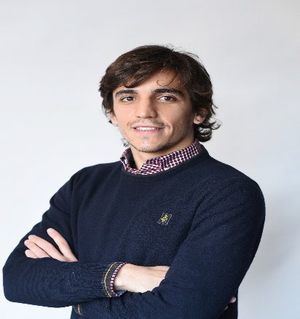 Davide Merolla
PhD student, La Sapienza University of Rome.
This research tackles a constrained assortment optimization problem faced by retailers, where the selection of products to offer and their respective quantities must be chosen to maximize profit. Departing from traditional choice models, this study proposes a non-parametric approach to capture consumer’s familiarity with a product as well as complementarity and substitution effects between items. We formulate a mixed-integer linear programming (MILP) model that embeds these features, allowing products to deviate from historical sales but penalizing those deviations violating complementarity and substitution relations. Retailers can easily calibrate penalties and other model parameters to incorporate consumer behavior based on their specific objectives. The product hierarchy in our model is organized in a multi-level structure, forming a nested category tree. To handle this structure effectively, we devise a matheuristic approach based on decomposition: a master problem assigns capacities to macro-categories, while subproblems determine the assortment and related quantities at lower category levels by solving to optimality MILP models on sub-trees. Computational experiments conducted on different instances show the effectiveness of the proposed method, and provide insights into assortment decisions based on consumer behavior and retailer’s preferences.
Davide Merolla is an industrial PhD student at La Sapienza University of Rome, where he has been attending the PhD program in Operations Research since November 2020. He belongs to the Department of Computer, Automatic and Management Engineering (DIAG), at the Faculty of Information Engineering, Computer Science and Statistics. The main topic of his research activity is Supply Chain Optimization, conducted in collaboration with Spindox, an Italian private company working in the field of optimization and data science. He also dealt with Bilevel Programming, Portfolio Optimization and their joint applications.
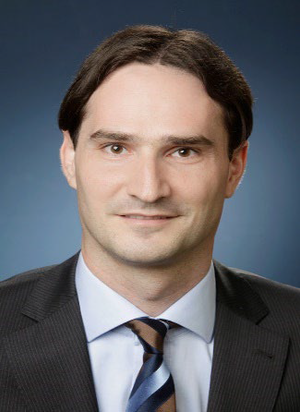 Dr. Stephan Meisel
Associate Professor, IEBIS Department, UT
We consider a periodic energy storage management problem under unknown uncertainty. In this problem, sequential decisions about (dis-)charging the storage and about buying or selling energy at the spot market must be made during each of a number of subsequent periods. The market price of energy is the main source of uncertainty, and the goal is to maximize the expected profit of the storage management process over all periods. Such a problem occurs, e.g., with energy storage management service providers that do not have an accurate model of the spot market price processes. We formulate the problem as an online learning problem, and we distinguish between two types of learning approaches to solve the problem. We show that choosing one of the approaches over the other may, in practice, result in significant performance loss, and we propose a method for solving the learning problem with performance guarantees
Stephan Meisel is an Associate Professor of Stochastic Operations Research in the Industrial Engineering and Business Information Systems Department (IEBIS) at the University of Twente. Before joining the department, he was an Assistant Professor of Quantitative Methods for Logistics at the University of Münster, Germany. Prior to that, he was a post-doctoral research associate in the Department of Operations Research and Financial Engineering at Princeton University. At the University of Münster, he was leading the research group Quantitative Methods for Logistics. His main research focus is on sequential decision making under uncertainty with applications in logistics and energy systems.
 Yifei Yu
Ph.D. Candidate, IEBIS Department, UT
Aligned with the European Circular Economy (CE) action plan, the construction industry strives for a sustainable and circular future. Industrial Symbiosis is introduced to foster the emergence of circular construction ecosystems where heterogeneous projects are symbiotically connected via waste-to-resource matchmaking. However, it is challenging to ensure efficient matchmaking due to quantity, quality, and spatial-temporal uncertainties embedded in construction and demolition projects. The development of methods to identify, coordinate, and evaluate symbiotic matchmaking remains an open issue in the built environment. This research proposes an agent-based simulation model for (de-)construction matchmaking from a complex adaptive system perspective. A conceptual model framework is developed based on the theory of shearing layers. The framework is used to instantiate a simulation model demonstrating matchmaking dynamics over time and space. The results indicate that waste transfer hubs could provide extra storage time and allow larger transportation distances, thus, potentially contributing to successful matchmaking. In future research, the model’s applicability and validity will be illustrated through urban mining cases in the city of Enschede, the Netherlands.
Yifei Yu is a full-time PhD student at IEBIS. He obtained his Master's degree in Construction Management and Engineering specializing in digital technology design at the Faculty of Engineering Technology in 2020. His current PhD project is supported by BMS Signature PhD Grant aiming to foster inter-disciplinary research collaborations. He investigates the scientific nexus of Circular Economy (CE), Construction Supply Chain Management, Information Systems, and Public Policy. He aims to provide scientific theories for designing a Circularity Information Platform to support CE business- and policy-making in the built environment. Methodologically, he focuses on the integration of Agent-Based Modelling, Building Information Modelling, and Geographic Information Systems, blending with Enterprise Architecture Design. He aims to improve construction resource efficiency and ultimately gravitates a paradigm shift toward Smart Circular Construction Ecosystems.
 Dr. Lin Xie
Assistant Professor, IEBIS Department, UT
It is expected that retail e-commerce sales will reach 7.4 trillion U.S. dollars worldwide in 2025, which will be about 5 times more compared with the number in 2014. Besides the increasing amount and frequency of orders, the new challenges in e-commerce and online retail are coming from the diversity of ordered products (many of them are small items), customers’ expectations of same-day delivery and pressure from competition. So it is important to increase efficiency, especially in the order picking process in warehouses, since it is one of the most work- and cost-intensive processes. In traditional order picking systems, 70% of human pickers’ working hours are spent on unproductive work, namely searching and traveling in the warehouse. Therefore there are more and more automated picking systems in operation to reduce this unproductive work. To operate an automated system, we have to face many decision problems, such as job assignments for robots and path planning of robots. In this talk, I will introduce two automated picking systems and show our learning- and optimization-based methods to improve picking efficiency.
Lin Xie is an assistant professor of AI/OR Smart & Sustainable Industry at the Department of Industrial Engineering and Business Information Systems (IEBIS) at the University of Twente and a visiting professor at the Leuphana University of Lüneburg (Germany). She holds a bachelor's and a master's degree (2008 and 2010) in Information Systems and did her Ph.D. at the University of Paderborn (2014). After finishing her Ph.D., Lin did her postdoc at the same university. From 2015 to 2022, she was an assistant professor of Information Systems and Operations Research at the Leuphana University of Lüneburg. Her research focuses lie at the intersection of digital logistics, sustainable transportation, operations research and machine learning.
 Dr. Mahak Sharma
Assistant Professor, IEBIS Department, UT
Dr. Sharma is predominantly working in the area of Fourth Industrial Revolution. She will be sharing her research on Industry 4.0 evolution and implementation.
The focus of the seminar is on two of her contemporary works:
1. Discuss the possibility if Industry 4.0 (I4.0) can explore and exploit orientation strategies for better manufacturing processes. The research uses theoretical lens of dynamic capability theory, and contextual factors - institutional pressures.
2. Emergence of Industry 5.0 (I5.0): In this talk she will discuss I5.0’s ability to facilitate real-time synchronization of production processes and if I5.0 can assist in moving a step closer to sustainable supply chain.
Dr. Sharma is a fellow from National Institute of Industrial Engineering (NITIE), India. She holds Masters of Technology and Bachelors of Technology in Computer Science and Engineering and is graduated with Honours. She is a recipient of POMS Honourable Mention for research work. She has publications in various journals of high repute. She is on the Editorial Review Board of prestigious journals such as IEEE Transactions of Engineering Management. She also has six years of industry experience in product management and software development.
 Dr. Simon Schafheitle
Assistant Professor, IEBIS Department, UT
It is commonplace that smart technology burgeons in almost all areas of people management and applications, such as hiring algorithms, smart performance management dashboards, virtual learning assistants or Internet of Things applications are salient tokens thereof. This gives rise to two opposing narratives on the future prospect of employees vis-à-vis technology deployment, vividly moving between Harari‘s (2015) idea of Homo Deus and Zuboff‘s (2019) surveillance capitalism. In this talk, I propose the focus on employees’ trust in the employer as a viable compass for realizing both efficiency gains and a „good“ employee experience from the use of smart technology deployment. More precisely, I focus on salient employee vulnerability as the core of trust and argue, that a nuanced understanding of how technological functioning logics and employee vulnerability relate offers pathways for tailored active trust management strategies for the organization to seize „the best of both worlds“. Based on this theorizing, I am very excited about a fruitful discussion and valuable learnings.
Simon Schafheitle is Assistant Professor for Human Resource Management and Artificial Intelligence within the vibrant IEBIS community. In this function, he strives for a better understanding of datafication in the workplace and trust so that organizations can create a technology-permeated environment where people can grow and flourish. He received his doctorate from the University of St. Gallen in 2020, focusing on the impact of datafication technologies on 21st century workplace architectures, particularly emphasizing the dual relationship of trust and HR control. Currently, he emphasizes the role of vulnerability amidst workplace datafication, which lies at the heart of trust but is scarcely investigated so far. His research interests lie in the areas of smart technologies inside trust and control configurations, meaningfulness of work, as well as in the tradition of evidence-based management.
 Dr. Abhishta Abhishta
Assistant Professor, IEBIS Department, UT
and

Dr. Jan Willem Bullee
Assistant Professor, IEBIS Department, UT
Owing to the vast history of disciplines such as Medicine, Mathematics and Accounting, there is a large body of knowledge to support future decisions. In contrast, information security is a relative new discipline, with first cryptography dating back to late 1900s and first cyber attacks recorded in late 2000s. In this talk, Jan-Willem Bullee will discuss the evidence based approach to tackle the challenges of catching up with well established disciplines. Thereafter, Abhishta will present the role of an industrial engineer in curating empirical measurements to support cybersecurity decision making.
Abhishta is an assistant professor at the IEBIS at the University of Twente. His research focuses on empirically measuring the economic/financial impact of cyber attacks. He devices/adapts data-driven economic impact assessment techniques. As an outcome, he looks to help organizations make well-measured investments in security. Usually up for a discussion on, technology trends, criminal business models, internet measurements, food and coffee.
Jan-Willem is assistant professor of evidence-based cybersecurity at the University of Twente and works in the Department of Industrial Engineering and Business Information Systems (IEBIS) of the Faculty of Behavioral, Management and Social Sciences (BMS). In his research on evidence-based cybersecurity, he makes cybercrime, cybersecurity and online fraud measurable with the aim of reducing the number of victims. Jan-Willem has a background in both psychology (MSc) and computer science (MSc). During his PhD research, he looked at different forms of social engineering and making people resilient against these attacks.
 Dr. Pauline Weritz
Assistant Professor, IEBIS Department, UT
In today’s disruptive labor market, where new digital technologies and a high employee turnover challenge organizations and employees’ thriving, a growing number of organizations aim to become data-driven to stay competitive. Yet, many businesses are unaware of the effects of such digital transformations on their employees. This study thus attempts to uncover the relationships between leadership styles, a data-driven organizational culture, and employee thriving. We suggest that self-determination theory can extend existing theorizing on data-driven leadership and culture by explaining why and how they may influence employee thriving. We offer a conceptual framework, with three matching propositions, to guide future research on data-driven culture and practical implications.
Pauline Weritz is an Assistant Professor for Organizational Behavior, Change Management and Consultancy in the Industrial Engineering and Business Information Systems Section at the University of Twente. She obtained a PhD in Business, Innovation and Sustainability from Ramon Llull University in Spain and was a visiting researcher in the Information Systems Department at Boston College. With a background in Psychology and Management, her research interests include leadership, culture, and responsibility in the digital workplace. Pauline applies both qualitative and quantitative methods.
 Dr. Devrim Yazan
Associate Professor, IEBIS Department, UT
Transition to a sustainable and resilient Circular Economy (CE) requires an acceleration as resource scarcity and depletion represent economic risks and waste overproduction threatens environmental ecosystems and societal wellbeing. Traditional take-make-use-dispose based on a linear economy paradigm is unsustainable, triggers resilience problems, and causes pressure on local and global supply chains, governments, and consumers. Although the Sustainable Development Goals (SDGs) of the United Nations recommend CE transition (CET) as a global priority, a large variety of barriers (e.g., non-circular product development, insufficient renewable energy use, unsustainable consumer behavior, lack of efficient policies) slow down this transition. Companies, citizens, and governments need to cooperatively take action for a successful CET and develop integrated stakeholder engagement. From educational perspective, the future CE awaits its implementers who have diverse backgrounds but complementary skills and a commonly shared vision. This requires educating students in an interdisciplinary environment where they can experience individual stakeholders’ challenges and produce collective and mutually beneficial solutions to contribute SDGs. In this context, there shouldn’t be only individual engineers, marketing experts, policy-makers, product designers, consumer psychologists, etc., but visionary problem-solvers who understand the needs of all stakeholders independently from their core expertise to collaboratively reach SDGs. To teach students above-mentioned challenges, the development of an online serious game environment supported by challenge-based learning perspective is a perfect fit. In such edutainment environments, students can experience different stakeholder roles to cooperatively tackle sustainability and resilience challenges at micro, meso, and macro levels. In this seminar, we will discuss the establishment of an online "Sustainable and Resilient Circular Economy Laboratory" which contains multiple plug-and-play game modules addressing the challenges of the sustainable and resilient circular economy transition. How future game modules can be collaboratively developed together with colleagues from various research streams will also be discussed in order to address current and future challenges within cross-cutting and complementary streams in our teaching activities.
Devrim is an interdisciplinary scientist in the fields of sustainable supply chains and circular economy. He conducts research in the fields of industrial symbiosis, circular and sustainable business models, information-sharing platforms and smart decision-support tools as enablers of circular economy transition, and sustainability of energy, construction, and bio-based industries. He teaches courses on Circular Sustainable Business Development, Sustainable Supply Chains, Circularity Management & Technology and Game of Circular Economy Transition and coordinates the interdisciplinary minor of Circular Economy Transition. Devrim serves as the resilience theme chair of the BMS Faculty since November 2022.
 Dr. Yudha Prambudia
Head of Business System Modeling laboratory, Telkom University, Indonesia.
The talk will be introductory, it will cover a range of topics related to recent research activities and expected research collaborations. Specifically, insights from our research collaboration within the topic ICT Adoption for Sustainable and Resilient Rural Development in West Java, Indonesia will be shared. Since 2019 West Java Provincial government spends billions of rupiah to developed various apps and platforms, many of which are adopted very slowly by targeted users, some even operationally stopped. Adoption strategies are certainly needed should West Java wants to improve the usage of their future apps and platform. In a case of Pahlawan Desa platform, the research found that collaboration has an important role to user's intention to use the platform. Accordingly, this suggest that more stakeholders need to be involved in improving the adoption rate.
Yudha Prambudia is an Industrial engineer by training, interested in socio-technical system design and management. He holds a Ph.D. in System Engineering from Keio University, Japan, M.Sc. from ITC-Univ.Twente in Urban Planning, and B.Eng from National Institute of Technology, Indonesia. He is currently chair for Renewable Energy and Emission Reduction Cluster in Resilience Development Initiative Indonesia (NGO) and Head of Business System Modelling laboratory in Telkom University, Indonesia. In the last five years he work mostly within the field of sustainability and resilience of businesses in rural contex.
 Dissa Chandra
Lecturer, Department of Industrial Engineering, Bandung Institute of Technology (ITB), Indonesia
As global competitions become harsher, establishing inter-organizational collaborations is a major strategy to gain competitive advantages in the Supply Chain (SC) management field. Inter-organizational system (IOS) is not only an enabler but also a challenge for establishing and maintaining agile collaborations. The IOSs’ control and ownership are critical; Disagreement and power struggles induce failure in many IOS-based collaborations. Despite advancements in inter-organizational governance model literature, there is limited literature on IOS-enabled inter-organizational collaborations. Most studies do not specify their points of view on inter-organizational governance and often jump on the trend of “governance” as a buzzword. This loose use of the “governance” term leads to a lack of a comprehensive understanding of inter-organizational governance. This study proposes, utilizes, evaluates, and revises a taxonomy of IOS-based Inter-Organizational Collaboration Governance in SC cases. This study adopted a longitudinal case study method for analyzing Dutch Electricity Market and Dutch Floriculture Supply Chain cases. The taxonomy is a systematic foundation to analyze inter-organizational governance. In our case studies, the taxonomy helps communicate the governance evolutions from the first pre-partnership collaboration phase to the partnership termination phase or the collaboration’s succession to the next cycle. A clear definition of companies’ roles is essential to understand the collaborations’ context. The governance mechanism and aspects give us tools to observe the transformation process along the lifecycles. Meanwhile, the governance models classify collaborations to simplify our viewpoint.
Dissa R. Chandra is a lecturer in Department of Industrial Engineering, Bandung Institute of Technology (ITB), Indonesia. Her research focus is the implementation and management of information systems in industrial context. She earned her Bachelor and Master degrees in Industrial Engineering and Management, majoring in Enterprise System Engineering, from ITB. Starting 2013, she joined the Doctoral program at Department of Industrial Engineering and Business Information System, University of Twente, the Netherlands with a scholarship from Directorate General of Higher Education, Indonesian Ministry of Education and Culture.
 Dr. Latussa Monteiro
Research Director, Jones dos Santos Neves Institute, Brazil
The regional differences in the state of Espírito Santo in Brazil repeat a national pattern, in which the Metropolitan Regions and the pole municipalities have the best infrastructure conditions, maintaining an unequal standard in terms of decent living conditions and productive opportunities. However, there are potential ways to create prosperity from the environmental assets present in the Espírito Santo territory in a holistic and comprehensive way.
Therefore, the regional scale is the most appropriate to answer questions that go beyond municipal limits, such as water resources, logistics and telecommunications infrastructure, in addition to the synergy between different administrative capacities. The Sustainable Regional Development project used the available information to characterize the regions of the state, in association with researchers from teaching and research institutions. In addition, it created regional development councils in order to use social participation to collectively establish priorities. The result is a shared agenda of new investments and future research needs, highlighting energy transition, logistical integration, environmental preservation, and creative economy. This talk will present the lessons learned from the Sustainable Regional Development project and set some prospects for the future.
Latussa Laranja Monteiro is a researcher for the public sector, Research Director at Jones dos Santos Neves Institute (Espírito Santo, Brazil). She holds a PhD in Urban and Regional Planning from the University of São Paulo (Brazil), a MSc in Urbanism from the Federal University of Rio de Janeiro and a Bsc in Architecture and Urbanism from Federal University of Espírito Santo. She has over eight years of experience in municipal urban policy and favelas urbanization. For the last ten years, her main focus of work is how to use information at governmental planning to face regional inequalities both in State and National levels.
 Dr. Breno Alves Beirigo
Assistant Professor, IEBIS Department, UT
Current mobility services cannot compete on equal terms with self-owned mobility products concerning service quality. Due to supply and demand imbalances, ridesharing users invariably experience delays, price surges, and rejections. Traditional approaches often fail to respond to demand fluctuations adequately since service levels are, to some extent, bounded by fleet size. With the emergence of autonomous vehicles (AVs), however, the characteristics of mobility services change, and new opportunities to overcome the prevailing limitations arise. This research proposes a series of learning- and optimization-based strategies to help autonomous transportation providers meet the service quality expectations of diversified user bases. We show how autonomous mobility-on-demand (AMoD) systems can develop to revolutionize urban transportation, improving reliability, efficiency, and accessibility.
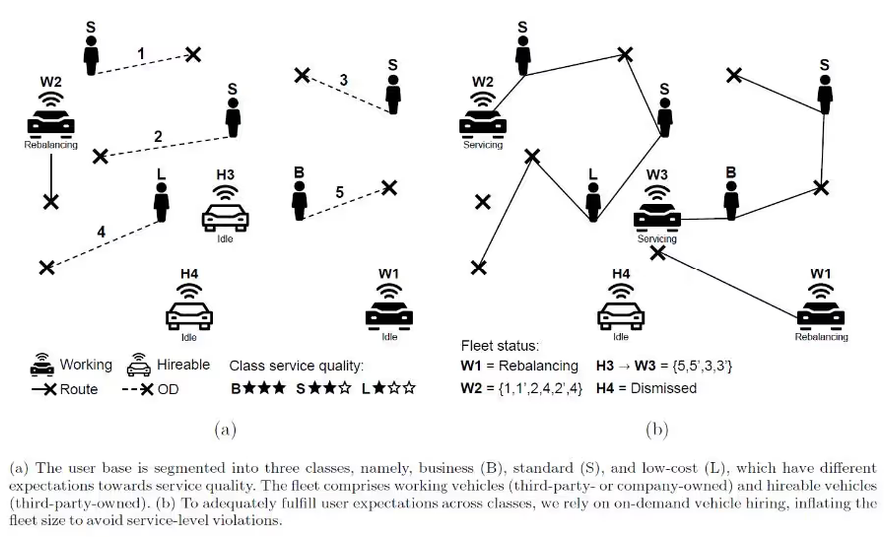
Breno Alves Beirigo is an assistant professor of Stochastic Operations Research within the department of Industrial Engineering and Business Information Systems at the University of Twente (Enschede). He holds a BSc degree (2014) and an MSc degree (2016) in Computer Science, both from the Federal University of Viçosa (Brazil) and did his PhD (2021) and later carried out Postdoc research at the Department of Maritime and Transport Technology, TU Delft. His research interests lie at the intersection of (autonomous) transportation, operations research, and machine learning.
 Dr. Joschka Hüllmann
Assistant Professor, IEBIS Department, UT
Manufacturers are under pressure to servitize their business to remaincompetitive, facing increased consumer demands for service offerings.
Previous research on servitization focused on case studies, but few empirically testable propositions have been derived and validated. In particular, the mediating role of personnel training and competence has been neglected. This study assumes that a combination of organizational and individual antecedents, mediated by personnel training and competence, influence sales behaviours' effectiveness in customer interactions. Propositions about the effects on sales behaviours are derived from interviews with automotive industry practitioners. This study contributes theoretical insights into effective selling behaviours. It has implications for how incumbent organizations should set up their service business and how salespeople can reach a level of competency in service usage that yields effective behaviours for selling mobility services. Subsequent work aims to validate the propositions through a survey and structural equation modelling (CB-SEM).
Joschka is an assistant professor in the High-tech Business and Entrepreneurship department at the University of Twente. Previously, he worked as a PostDoc at the Universities in Osnabrück and Münster, where he also completed his PhD. He had research stays in Hamburg, Sydney, and Sao Paulo. Before his academic career, Joschka worked as a professional software developer for six years, programming control software for renewable energy plants and passenger information systems.
 Dr Marcos Machado
Assostant Professor, IEBIS department, UT
The increased volume of unstructured data, namely text, has led to the development of various techniques to extract valuable information from it. Specifically, Topic Modelling (TM) is one of the most popular branches of text analytics. In the financial sector, it has been applied to extract features from different sources (e.g., news, customer e-mails, and reviews). This information can be very useful in building predictive frameworks to assess Customer Relationship Management (CRM) metrics (e.g., credit risk, churn) in addition to the financial and behavioral variables commonly used in the industry. In this presentation, I will discuss the use of different TM algorithms (LDA, NMF, LSA, Top2Vec, and BERTopic) to extract valuable information from text-based features and analyze their impact on forecasting CRM metrics. The proposed frameworks use the extracted topics in individual and hybrid ML algorithms to predict customers' Risk-Adjusted Revenue (RAR). The individual models refer to various ML algorithms (e.g., Gradient Boosting, Adaboost, etc.) used to forecast RAR; alternatively, the hybrid frameworks contain clustering methods implemented before predicting RAR with the same set of individual ML algorithms. Results show that hybrid ML frameworks can outperform individual ML methods in predictive power and provide managers with many customer portfolios with different levels of risk and return. In particular, the combination of text and hard features boosts predictions. Also, the ML models we implement are high predictors and achieve an R2 over 85% for all cases. Finally, all extended RAR models achieve better predictive power than does the baseline model used in the literature.
Marcos Machado is an Assistant Professor in Business and Information Systems at the Industrial Engineering and Business Information Systems (IEBIS) department section of the University of Twente. He holds a Ph.D. in Modelling and Computational Science from the Ontario Tech University (Canada), a MSc in Production Engineering from the University of Sao Paulo (Brazil), and a BSc in Mathematics from the Federal Institute of Education, Science, and Technology of Ceara (Brazil). He also has over seven years of experience working in the Brazilian and Canadian banking industries. His main research interests are focused on applications of Artificial Intelligence (AI) and analytics to solve business problems.
Dr Daniela Guericke
Assistant Professor, IEBIS department, UT
District heating is an important component in the EU strategy to reach the set emission goals, since it allows an efficient supply of heat while using the advantages of sector coupling between different energy carriers such as power, heat, gas and biomass. Most district heating systems use several different types of units to produce heat. The technologies reach from natural gas and electric boilers to biomass-fired units as well as waste heat from industrial processes and solar thermal units. Furthermore, combined heat and power units (CHP) units are often included to exploit synergy effects of simultaneous heat and electricity production. Daniela will present a generic network-flow based mathematical formulation for the operational production optimization in district heating systems. The generality of the model allows it to be used for most district heating systems although they might use different combinations of technologies in different system layouts. The mathematical formulation is based on stochastic programming to account for the uncertainty of production from non-dispatchable units such as solar thermal units. Daniela will show how the model can be used for determining bids for electricity markets and evaluation of demand-side flexibility in district heating systems. The results are based on real data from district heating systems in Denmark with different requirements, which illustrates an application under real-world system configurations.
Daniela Guericke is Assistant Professor for Stochastic Operations Research at the Section Industrial Engineering and Business Information Systems, University of Twente. Her research focuses on (stochastic) operations research and optimization in application areas such as energy systems and health care. In particular, she is interested in decision-making under uncertainty and solving large-scale optimization problems. Daniela received her PhD in Business Information Systems from the Decision Support and Operations Research Lab, Paderborn University. Afterwards, she worked as a postdoctoral researcher at the Department of Applied Mathematics and Computer Science, Technical University of Denmark (DTU). In 2020, she became Assistant Professor for Decision-making under Uncertainty in Integrated Energy Systems at DTU. In 2021, Daniela received the Young Researchers Award of the German OR Society (GOR e.V.)
 Yifei Yu
PhD student, UT
Facing global environmental challenges, the construction industry is under the pressure because of its significant resource intensity. The prevalent linear economy model can no longer sustain in this wasteful industry while Circular Economy (CE) is viewed as a promising alternative. It aims to decouple economic activities from the consumption of finite natural resources. It entails a systematic shift towards a resilient economic system that is beneficial for business, people, and the environment. However, construction CE is in its infancy. First, CE transition is essentially a multi-dimensional challenge that involves a complex knowledge landscape. Second, the unique characteristics of the construction industry hinder the CE implementation. Innovative solutions are in demand to tackle this challenge. This introductory talk will (1) guide you through the fundamentals of CE implementation in the built environment from a multi-disciplinary perspective, (2) inspire you with the cases of how this challenge is closely related to our daily lives, and (3) provide you with an overview of the PhD project regarding how we aim to accelerate construction CE transition by innovating a Circularity Information Platform.
Yifei Yu is a full-time PhD student at IEBIS. He obtained his Master's degree in Construction Management and Engineering specializing in digital technology design at the Faculty of Engineering Technology in 2020. His current PhD project is supported by BMS Signature PhD Grant aiming to foster inter-disciplinary research collaborations. He investigates the scientific nexus of Circular Economy (CE), Construction Supply Chain Management, Information Systems, and Public Policy. He aims to provide scientific theories for designing a Circularity Information Platform to support CE business- and policy-making in the built environment. Methodologically, he focuses on the integration of Agent-Based Modelling, Building Information Modelling, and Geographic Information Systems, blending with Enterprise Architecture Design. He aims to improve construction resource efficiency and ultimately gravitates a paradigm shift toward Smart Circular Construction Ecosystems.
 Dr Shiva Faeghi
Post-doctoral researcher, Karlsruhe Institute of Technology
Hospitals are complex infrastructures with a large number of functional units. Chaotic and zigzag movements in hospitals not only waste resources but also lead to cross-infections between patients. Therefore, well-designed hospital layout planning is essential for smooth functioning and safe patient care. An effective layout design facilitates the flow of patients, various interactions between the functional units and minimum walking distance between functional departments, and thus, reduces the challenges for patients and healthcare professionals. In this presentation, I will discuss the design of unidirectional movement paths for patient flows as an ideal candidate for an effective hospital layout that reduces chaotic and zigzag movements. The conception of this design is adopted from computer design methods. Therefore, it will be also discussed whether computer design methods can help us to come up with effective layout designs?
Shiva Faeghi is a post-doctoral researcher at the Institute of Technology and Management in Construction at the Karlsruhe Institute of Technology (KIT), Karlsruhe, Germany. She finished her PhD studies as a scholarship holder of the German Academic Exchange Service at KIT in the field of operating room planning and management. She is director of the Competence Center Hospital at KIT and Data Science Principal Investigator at the Helmholtz Information and Data Science School for Health (HIDSS4Health). Her main research interests are operations research in healthcare, as well as simulation and optimization of healthcare processes. She pursues interdisciplinary research areas to address research-practice gaps in hospital and healthcare management. Currently, she is one of the leaders of a research project in collaboration with the Leibniz University Hannover in the area of designing flow-oriented and transformable hospitals.
 DR. JAN de LEEDE
ASSISTANT PROFESSOR, UNIVERSITY OF TWENTE.
The findings of the Well-being research of the University of Twente 2021 will be shared. In 2021, three waves of surveys (in April, July and November) were distributed among all UT employees. The main outcome is that academic staff both are highly engaged as well as strained. Strain is illustrated by perceptions of workload, actual hours worked and role overload. Explanations are found in the job demands-job resources model (Bakker & Demerouti, 2007). Furthermore, some results are shared about the perceptions of hybrid working practices. Finally, some findings on inappropriate behaviours are reported. For all findings, special attention will be paid for the BMS results.
Jan is assistant professor of Human Resource Management at the Faculty Behavioural Management and Social Sciences, University of Twente (The Netherlands) . Next to this position, he is partner of ModernWorkx, a research and consultancy firm focused on working times, capacity management and well-being. Before starting his own business, he was employed as senior researcher/consultant at TNO Work and Employment. His teaching involves HR Analytics, team-based work and HR & Innovation. His research is focused on flexible labour, working times, new ways of working and (virtual) team-based work. He published in journals like Ergonomics, Human Resource Management Journal, International Journal of HRM, Personnel Review, Creativity and Innovation Management. He (co-)authored several books on Self-scheduling, Capacity Management, Self-managing teams, New Ways of Working and Labour Flexibility
 DR. DERYA DEMIRTAS
ASSISTANT PROFESSOR, UNIVERSITY OF TWENTE.
In an emergency or disaster, rapid response may be the difference between life and death. Accordingly, strategic resources/facilities are proactively deployed for emergency preparedness. While citizens increasingly participate in response and recovery in crisis situations, little attention has been given to incorporating volunteer engagement in placing emergency facilities. The uncertainties in supply (e.g., volunteers) and in demand (e.g., emergencies) make emergency facility deployment decisions extremely challenging. This talk focuses on optimizing the location of facilities under demand and supply uncertainty. In the first part of the talk, I will present optimization models applied to an important public health problem: strategic location of automated external defibrillators (AEDs) to be used by volunteers in case of an out-of-hospital cardiac arrest (OHCA). In the second part of the talk, I will talk about the broader vision on emergency response and introduce a comprehensive datadriven modeling framework for emergency facility deployment, leveraging optimization, metaheuristics, and data science.
Derya Demirtas is an assistant professor at the Center for Healthcare Operations Improvement & Research (CHOIR) in the Section of IEBIS since 2016. Her research focuses on operations research, optimization, data analytics, location theory and their applications to healthcare and emergency response. Dr. Demirtas is a recipient of the NWO Veni grant (2019), and American Heart Association (AHA) Young Investigator Award (2015). She received the Best Poster Award by the National Association of EMS Physicians (2016) and won the second place in the INFORMS Section on Public Sector Operations Research best paper competition (2012) and second place in the INFORMS Case Competition (2020). Her research has been published in journals such as Management Science, European Journal of Operational Research, Journal of the American College of Cardiology (IF: 24), and Health Care Management Science. She serves in several academic committees including NWO Advisory Roundtable (Economics & Business Administration), the editorial board of the Operations Research For Health Care journal, the board of INFORMS Forum for Women in OR/MS and the Exam Board BMS-Management Sciences.
 DR. RENATA GUIZZARDI SILVA SOUZA
ASSISTANT PROFESSOR, UNIVERSITY OF TWENTE.
The advent of socio-technical, cyber-physical and Artificial Intelligence (AI) systems has broadened the scope of Requirements Engineering which must now deal with new classes of requirements, concerning ethics, privacy and trust. Unfortunately, requirements engineers cannot be expected to understand the qualities behind these new classes of systems so that they can conduct elicitation, analysis and operationalization. To address this issue, we propose a methodology for conducting requirements engineering which starts with the adoption of an ontology for a quality domain, such as ethicality, privacy or trustworthiness, populates the ontology for the system-to-be and conducts requirements analysis grounded on the populated ontology. We illustrate our proposal within the ethical domain, using the case of a driverless car.
Renata is currently an Assistant Professor at the Behavioral, Management and Social Sciences Faculty, (IEBIS group) of the University of Twente, in the Netherlands. Moreover, she is a founding member of the Ontology & Conceptual Modeling Research Group (NEMO) and of the Laboratory of Supporting Technologies for Collaborative Networks (LabTAR), at UFES, Brazil, where she held an Associate Professor position from 2009-2016. In 2006, she received her PhD in Computer Science from the University of Twente in the Netherlands with a thesis entitled Agent-Oriented Constructivist Knowledge Management. She has also been a visiting scholar at the Bruno Kessler Foundation (FBK) in 2006 and 2018, and at the University of Trento in 2013-2014, Italy. In 2018, she was an Senior Associate Researcher at the University of Bristol, UK and in 2019, she was a lecturer at the University of Trento, Italy. Her main research interests include Knowledge Management, Ontologies and Goal-oriented Modeling.
 DR. ALI GHEZELSOFLU
POSTDOCTORAL RESEARCHER, UNIVERSITY OF TWENTE
We investigate a multiperiod drayage problem in which customers request transportation services over several days, possibly leaving the carrier some flexibility to change service periods. We compare three approaches for the problem: a path-based model with all feasible routes, a “Column Generation” algorithm in which the pricing is formulated as a collection of shortest path problems in a cunningly constructed acyclic network, and a compact arc-flow formulation based on this network. The experiments show that the latter formulation is the most efficient, and can solve optimality instances of real-world size (and beyond) in time compatible with typical operational constraints. Also, the models allow us to assess that limited amounts of flexibility from customers can significantly improve routing costs for the carrier while decreasing customers’ costs as well.
Ali Ghezelsoflu is a new postdoctoral researcher within the Department of Industrial Engineering and Business Information Systems at the University of Twente (Enschede). He is working on a project "entitled Reinforcement Learning platform for Small and Medium-sized Enterprises (ReAL)". He holds a bachelor's degree in Applied Mathematics(2009) and hi did his master’s degree in Operations Research (2012) at the K.N.Toosi University of Technology, Tehran, Iran. He did his Ph.D. at the Department of Mathematics and Computer Science, University of Cagliari (UNICA), Italy (2018). His Ph.D. was on the Vehicle Routing Problems; their different models, algorithms, and solution methods. After finishing his Ph.D., Ali remained one year more as a Postdoc researcher at UNICA to complete his studies on the VRPs. From the beginning of 2019, he has been started his postdoc at the University of Pisa (UNIPI), Department of Informatics, where he researched Energy Optimizations under the European horizon 2020 project entitled as Plan4Res. During the three years of Postdoc at UNIPI, he has been working as a developer on the SMS++ which is a set of C++ classes intended to provide a system for modeling complex, block-structured mathematical models for Energy Systems, and solving them via sophisticated, structure exploiting algorithms such as decomposition approaches and structured Interior-Point methods. His research interests also contain Energy Optimization, Network Optimizations, Linear and Non-Linear Programming, Mixed Integer Programming, Stochastic Programming, Robust Optimization, Transportation and Logistics Management, Vehicle Routing Problems(VRPs), Exact and Heuristic approaches for IP Models, Decomposition methods for IP Models.
 MARTIJN KOOT
PHD CANDIDATE OF INDUSTRIAL ENGINEERING, UNIVERSITY OF TWENTE.
Global supply chains have become more responsive towards disruptions due to recent IT advancements. For example, modern-day fleets are well equipped with wireless sensing, processing, and communication devices, which enables logistics operators to track their fleet’s performances in (near) real-time. Fleet coordinators can better anticipate on dynamic events by instantly reviewing centralized track-and-trace information already, but the rescheduling decision itself remains mainly dependent on human experience only. In other words, how should logistics operators incorporate real-time sensor data into their dynamic planning activities? In this presentation, we will briefly discuss how to improve logistics decision making by exploiting the real-time insights originating from the Internet of Things (IoT) in combination with data-driven optimization techniques. The main aim is to develop a resilient planning framework that enables logistics planners to better anticipate on disturbances by combining both human experiences, operations research techniques, and pattern recognition mechanisms (e.g., machine learning, data mining, etc.).
Martijn Koot is a PhD Candidate within the department Industrial Engineering and Business Information Systems at the University of Twente, Enschede. He holds a BSc and MSc degree in Industrial Engineering & Management from the University of Twente. His current research is devoted to improve logistics decision making by exploiting the enormous data sets originating from IoT networks in combination with Big Data Analytics. Besides his research activities, Martijn also supports various BSc courses related to research methodology.
 DR. ALESSIO TRIVELLA
ASSISTANT PROFESSOR OF INDUSTRIAL ENGINEERING, UNIVERSITY OF TWENTE.
After briefly overviewing my research, I will focus on a work that studies the global trend of corporations publicly committing to renewable power purchase targets, which entails buying a percentage of power demand from renewable sources by a future date. Long-term financial contracts with renewable generators based on a fixed strike price, known as virtual power purchase agreements (PPAs), are popular to meet such a target. We formulate power purchases using a portfolio of PPAs as a Markov decision process accounting for price and supply uncertainties. Since computing an optimal procurement policy is intractable, we consider forecast-based reoptimization heuristics that vary the sourcing of different PPA types and the timing of new agreements, and propose a novel information-relaxation based reoptimization heuristic. Our computational study on realistic instances supports the effectiveness of PPAs for meeting a target, highlights the benefit of sourcing and timing flexibility in procurement decisions, and shows that dynamic PPA portfolios from our information-relaxation based procurement heuristic are near optimal, thus helping tie the knot between reducing energy costs and meeting renewable targets.
Dr. Alessio Trivella is an Assistant Professor of Operations Research at IEBIS since January 2022. Previously, he obtained a MSc degree in mathematics from the University of Milan, a PhD in Operations Research from the Technical University of Denmark, and has been a postdoc at ETH Zurich. His research focuses on developing optimization techniques for sustainable corporate operations within the energy, transport, and logistics sectors, using tools from Operations Research, Reinforcement Learning, and Large-scale optimization. His research has been published in journals including Management Science and M&SOM.