Optimizing hospital discharge through telemonitoring
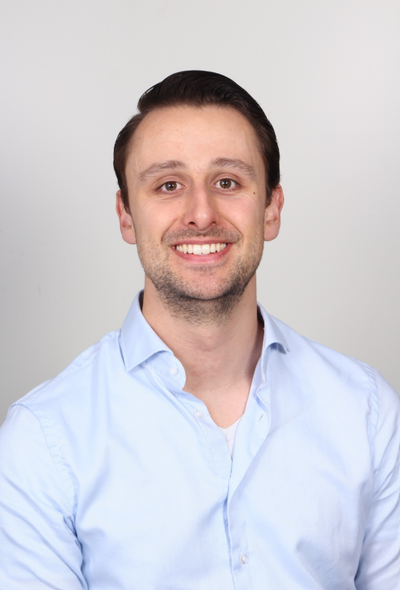
Niels Kant is a PhD student in the Department of Health Technology & Services Research. (Co)Promotors are prof.dr. C.J.M. Doggen, from the Faculty of Behavioural, Management and Social Sciences and prof. dr. F.H. Bosch from the Radboud University Nijmegen, dr. B.M.W. Spanier and dr. M.V. Koning from Rijnstate Hospital.
This thesis investigated how telemonitoring can support the relocation of hospital care to the home and reduce pressure on healthcare services.
The first part of the thesis focused on the clinical validation and implementation of wearable technology. A wearable sensor was validated in patients undergoing bariatric surgery. Heart rate measurements showed good agreement with the reference monitor, whereas respiratory rate measurements did not, demonstrating the importance of clinical validation before implementing wearable technology. A subsequent randomized controlled trial evaluated continuous monitoring with the Healthdot on an acute admission ward. Continuous monitoring did not increase direct discharge to home and could increase healthcare professionals’ workload. Effective integration into the electronic health record and sufficient experience with the technology were identified as important prerequisites for successful implementation. Machine-learning models showed potential for predicting discharge readiness, although their performance was not yet sufficient for clinical use.
The second part focused on the early discharge of patients with mild acute pancreatitis. A review showed that early discharge can be safe and cost-effective. A prediction method based on CRP and SIRS criteria accurately identified patients with a mild course, although readmissions were relatively common, particularly during the first week after discharge. Finally, a prospective feasibility study evaluated discharge after 48 hours followed by remote care. Patients were highly satisfied, hospital stay was reduced to 2.3 days, and no increase in readmissions was observed. The wearable sensor generated additional patient contacts but did not alter medical management.
Overall, this thesis demonstrates that telemonitoring has potential to safely relocate selected hospital care to the home. Further research is needed to optimize patient selection and early discharge pathways.


